March In Like a Lamb,Out Like a Lion:Does Ancient Rhyme Predict More Climate Crises or Solutions?
MARCH IN LIKE A LAMB, OUT LIKE A LION:DOES ANCIENT RHYME PREDICT MORE CLIMATE CRISES OR SOLUTIONS?
CAUTIOUS EXIT from SUBTERRANEAN/TELOSIAN MOUNTAIN WRITERS’ WO/MAN CAVE to TREAD LIGHTLY, GUIDED BY ANGELS & NATURE SPIRIT DEVAS INTO SPRING




March May have ‘Come in like LAMB’ but her Gentle Fleece Quickly Trailed in SNOW & 100mph Gales on Donner Pass & CA I-80 2Reno
Hours after fickle month of Spring, Lady March came in on our Leap Year calendar, the young Maiden of Nature chose to reclad herself in Winter woolies, as California’s notorious 7,056ft-high Donner Pass on I-80 to Reno, Nevada was pounded with snow.
Sierra Snow Lab at Donner Pass, operated by the University of California at Berkeley, reported 23.8 inches of new snow between Saturday and Sunday morning, March 2-3, bringing total snowfall for the season to five feet. New snowfall was accompanied by 100mph gale force winds, gusting to 116mph.
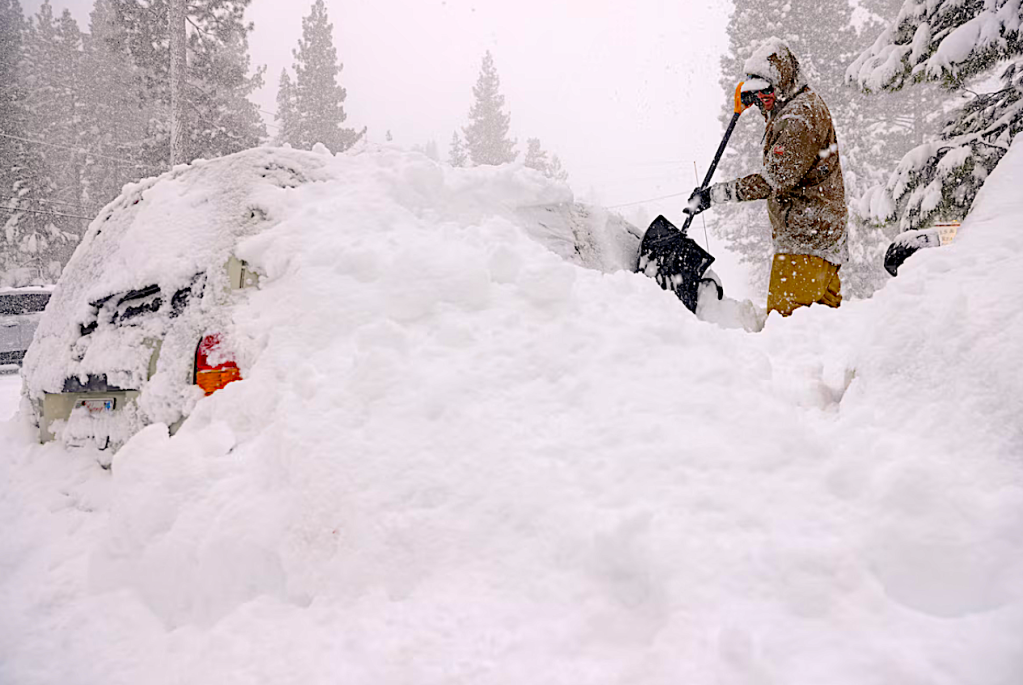
“California Highway Patrol in Truckee on CA’s I-80 infamous transmontane route for rail & highway between San Francisco & Reno, NV was monitoring traffic & advised drivers that travel was “highly discouraged”.
Donner Pass reputed inspiration4 Overlook Hotel in Jack Nicholson/Stephen King 1975 movie ‘The Shining’, is popular destination.
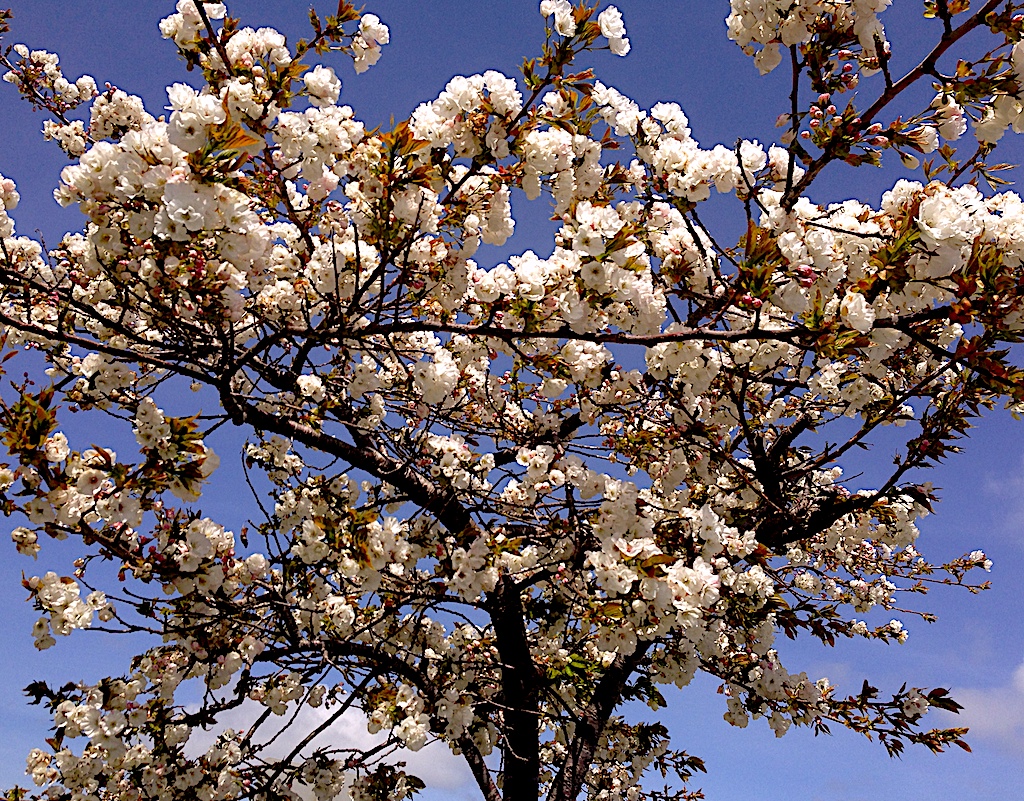
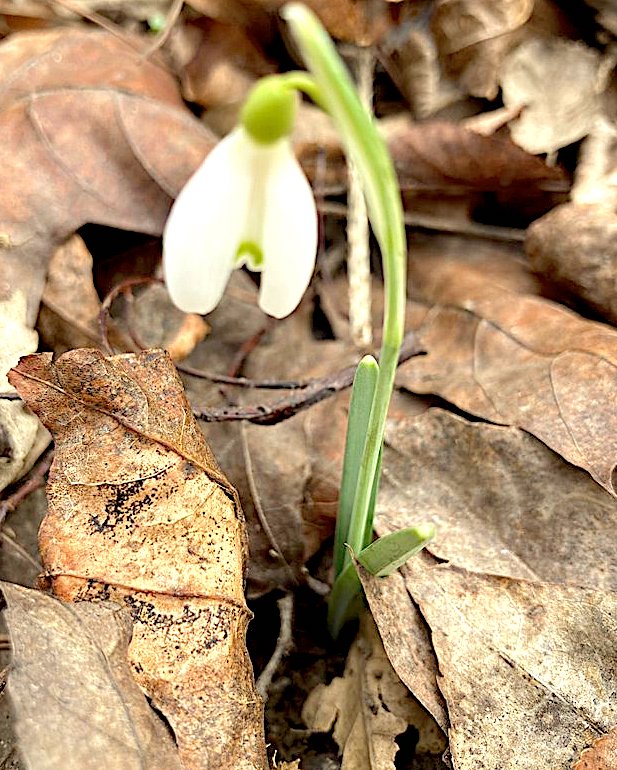
Meanwhile in Britain—while the Northern Isles [Orkney & Shetland] & exposed areas of Sutherland like Cape Wrath were battered by gales normal for this time of year—most of the country-including Eastern shores of Scotland, Eastern Northumberland, Yorkshire & the notorious Pennines-were, like the English capital, enjoying garden birdsong, appearance of snowdrops, above mid-l., first buds of cherry & wild cherry (gean), top l. & rt., with even a sighting in downtown Aberdeen of an urban fox making himself comfortable on warm granite ‘cassie setts’ [paving slabs] in the mild weather.
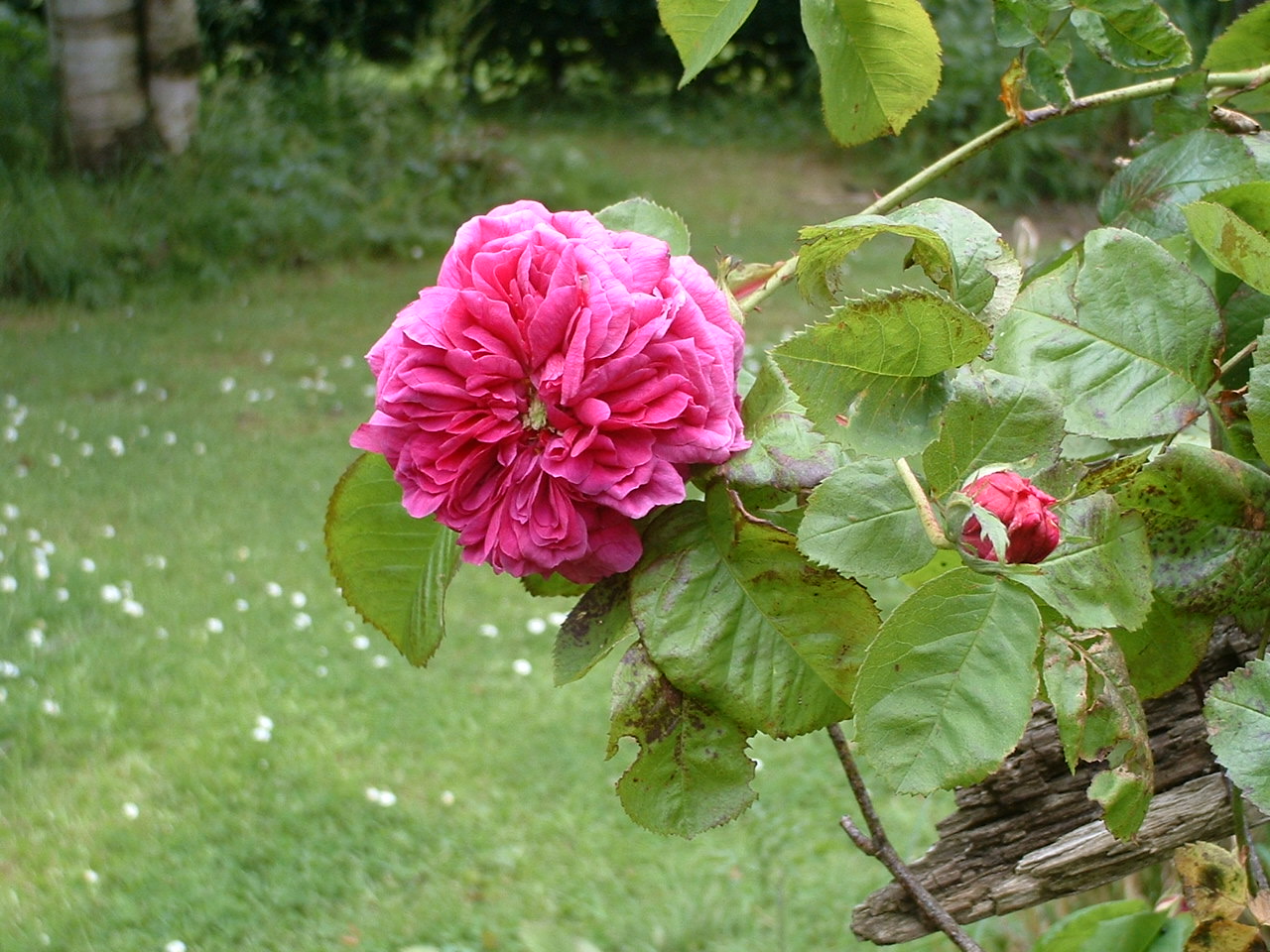
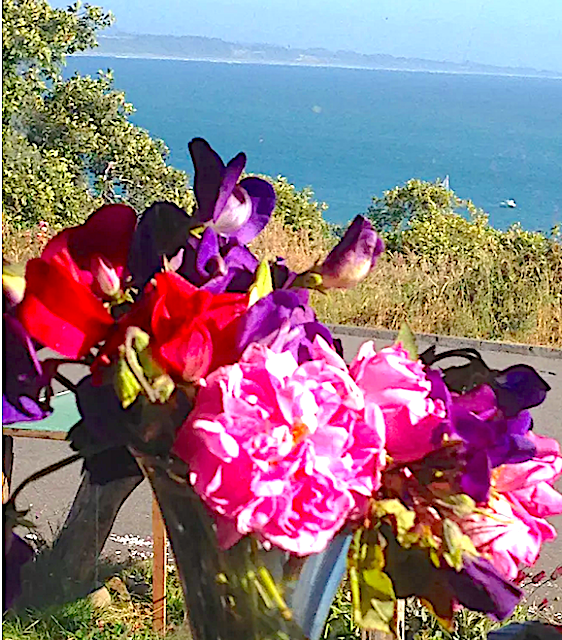
It seems natural, therefore, that our thoughts should spring forward like clocks [daylight saving time U.S. springs forward March 10th; Britain March 28th] to working in the garden to cultivate favourites like the sweet pea, top rt., and dream of the scent of summer roses. Below mid l. Rosa Charles de Mills.
Ramadan, Lent & Easter Dominate March, all ‘late’ in Calendar this Year
Ramadan, ninth month of the Islamic calendar, observed by Muslims worldwide as a month of fasting and prayer, begins March 10th and will last until April 8th.
Similarly this year, Easter falls ‘late’ i.e. on last Sunday in March: 31st. Because such festivals are still calculated by us earthlings according to moon cycles—mentioned in my previous blog on Carnival here—Good Friday & end of Lent will not happen until after Spring Equinox, March 23rd. March Full “Worm” Moon occurs March 24th. See Lenten origins for blindfolding children & Piñata frolics below*.
Full Moons this quarter: March Worm Moon April Full Pink Moon; & May Full Flower Moon
First come Candlemas
Syne the New Meen
The niest Tiseday efter ‘at
Is aye Festern’s E’en.
That Meen oot
An’ anither at its hicht
The niest Sunday efter ‘at
Is aye Pasche richt.’
Ancient Scots Easter calculation, Anon
And watch out for penumbral lunar eclipse visible in Americas, Europe & W.Africa from 1a.m.-5:30a.m. EDT-March 25; 10p.m. PDT March 24-2:30a.m.March 25th; followed by April 8th solar eclipse visible N.hemisphere

Traditions dominate every culture, whether we know it or not. So it’s worth looking at a favourite child’s game—being blindfolded, spun 3 times (2lose sense of direction) & then trying to smash open a Piñata.

Bright rainbow-paper toy mule Piñata hung up at children’s parties for them to smash open & grab candy & other treasures that burst out from inside wasn’t just for kids originally. In medieval Italy, on 1st Sunday in Lent, Kings of Naples & Sicily distributed gifts to peasants as a Lenten almsgiving. It came in simple earthenware pignatta, Ital. cooking pot, fr.Lat. pinea, pine cone shape.
This tradition spread to Spain, called Piñata like a pineapple Sp. piña, & when Armada came to the New World, they found a similar tradition in Mexico [of Aztec origin] which they embodied/converted in R.C. Xtian Lent.
Spanish Friars saw these as an opportunity 2convert pagan Aztecs & created seasonal piñatas filled with fruits & seeds for Lent, Easter & Christmas.
Being blindfolded was used to represent faith, that is, believing without seeing. Many other traditions from Europe were transmitted via the early [Catholic] Church as a means to convert pagan followers.
Ancients’ Knowledge of Seasons & Growth used at Sacred Sites/ Wells
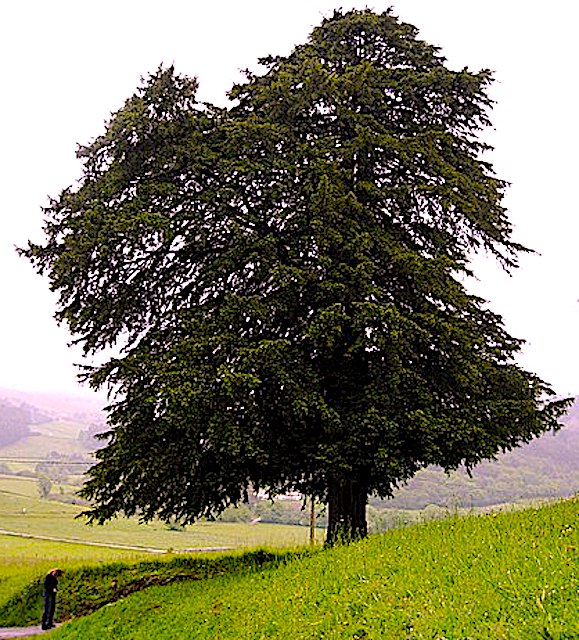
The Ancient Britons aka Brittonic/Weish Druidic priests of Anglesey/Inys Mons have much to teach us 21st Century A.I.- & politically-dominated experts in garden cultivation, reforestation and agriculture. In our excitement over the phenomenon of spring bloom in deciduous plants, we may forget how heavily we rely on that mysterious range of evergreens quietly holding down roots through harshest winters, only to burst with new foliage and exuberance in warmer months. Below top l.rt Cotswolds’ iconic yews


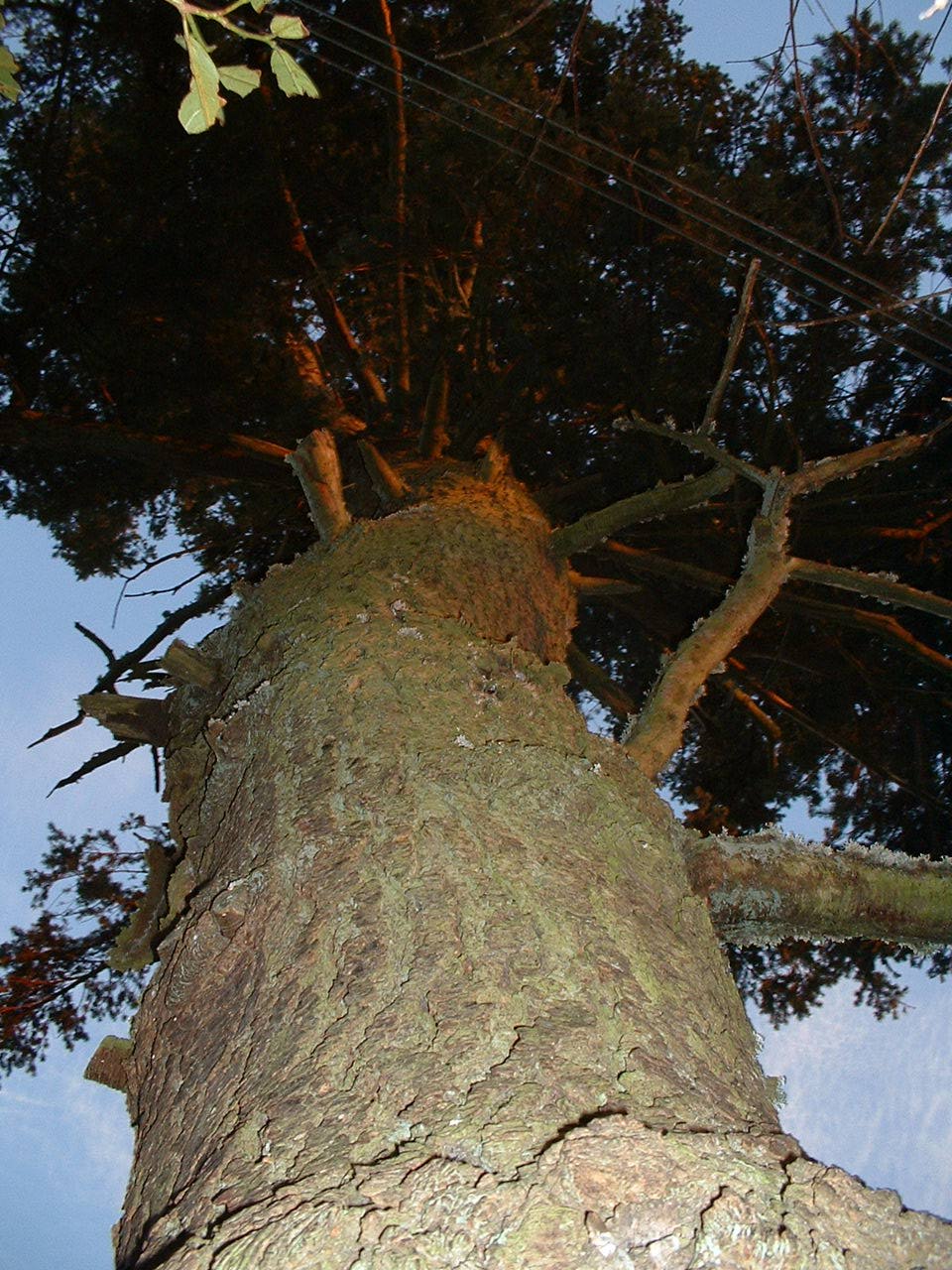

Conifers like ancient Caledonian pine (pinus sylvestrus or Caledoniensis) come first to mind, along with cousins Monterey pine (pinus radiata, above, bottom rt.) & Pac.NW’s statuesque Douglas Fir (bottom l., pseudotsuga Menziesii)-q.v. last year’s June blog for its stature c.f. Giant Redwood Sequoiadendron giganteum, including my young plantation of Caledonian pine in my personal effort to bring rewilding & regrowth to Scots pine forests burned in 1308 by ravages of Robert Bruce’s Herschip o’ Buchan.
Yew—Guardian of Brittonic & pre-Celtic Sacred Mounds—reused in Christian Churches Symbolic of Reincarnation & to Ward off Evil
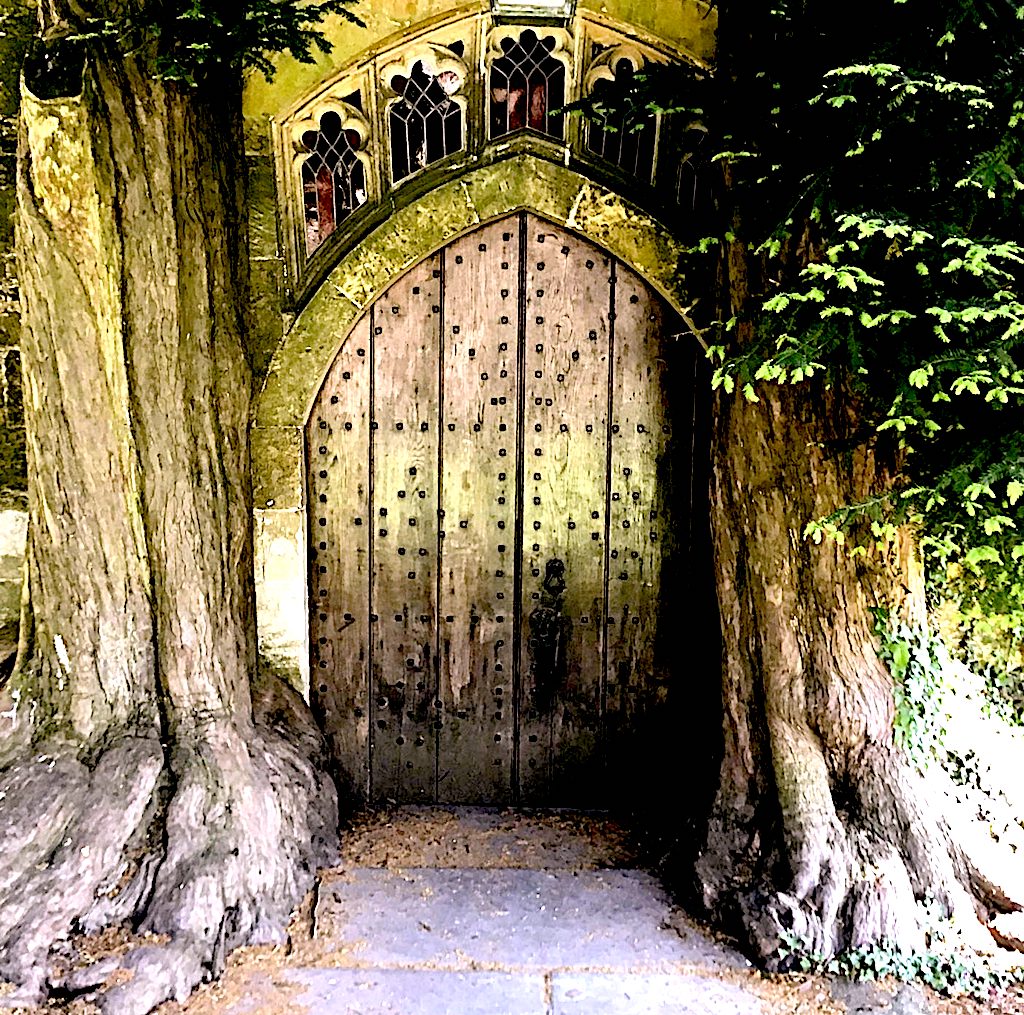
Less celebrated for its longevity and overwintering prowess, more for its poison, the evergreen Yew, above 1-3, has long been churchyard sentinel in all counties & four British ‘countries’—Scotland (& N.isles) Scotland, England, Wales/Kernow (Cornwall) N.& S.Ireland; relatively less visible in churches in U.S. or E. Europe, but prevalent in cross-channel (Brittonic) Brittany, coastal France & Portugal.
Doorway of St.Edwards church, l. above, Stow-on-the-Wold, English Cotswolds, has ancient yew ‘feet’.
Greek goddess Hecate was famed for her knowledge of herbs, poisonous plants & sorcery; Roman counterpart Hekate/sometimes moon goddess Silene linked to huntress Diana was bearer of the keys to the Underworld, protector of World’s Soul [Anima Mundi]. As she held the keys to unlock the gates between worlds and gain access to both realms, she was equally powerful in ‘Heaven & Hell’ & seen as early-Medieval Tree of Life. While early-Christian monastics advised against putting “devilish charms at springs or trees or crossroads”, legendary Celtic Druids planted yew close to their temples for use in death ritual & regeneration. Because of its association with immortality, early Brittonic/Celtic kings had the wood cut for staffs & emblems of royal regalia, to associate with its immortality & God-given power.
Until they departed Britannia c. A.D.420, Roman legions stormed ancient Brittonic strongholds including York, [called Roman Eboracum, fr. Brythonic Eburākon=place of the Yew trees]. Pre-Celtic yew=eburos.
Reputedly oldest tree in Europe, Perthshire Fortingall Yew is 5000-yrs old & stands at the gates to the kirk [pre-Xtian Pictish well] in what Ancient Brythonic Picts saw as the centre of the landmass of Scotland [Cape Wrath/John o’Groats to Whithorn, Galloway lying a stone’s throw from Glen Lyon Loch Tay Cailleach/Bodach stone shelter, oldest continuously-observed sacred pagan site in Britain maintained by (anon) guardians.
While red Yew berries contain alkaloid poison taxine, from 13thC on its strong, flexible wood was used to cut 6ft longbows, strung with hemp/flax to create powerful weapons with a range of 230 yds/m, which could shoot arrows capable of piercing chain mail. Bows & arrows were in use until rapid fire guns & cannon took over mid 16thC.
An avenue of yews at Painswick, nr. Stroud, Glos., top, rt. reaches full-height 60ft/20m.
Its poisonous berries, 2nd l. above, keep cattle and wildlife away from graveyards, so sacred burials remain intact. Its longevity is second only to Giant Redwoods, and, because of its continuous use from Ancient pagan times, it is traditionally seen as symbolic of reincarnation and life everlasting.
Nature’s Woodland Helpers Inspire us to Dive Back into our Writers‘ Den to Connect with our Inner Soul
Guided through this maelstrom of 21stC catastrophic existence by angelic forces, we are reminded by the angel/deva of the sweet pea, top,rt. that Dorothy Maclean, a Canadian gardener, communicated with the Devas, and spoke with sweet peas and the pea fairy while she worked.
Dorothy was co-founder alongside her Brit friend Eileen Caddy of Findhorn Foundation in NE Scotland. They meditated in their ‘fifties blue caravan, with Eileen’s ex-RAF husband Peter Caddy, a WWII vet. They shared a dream of international peace. And growing their own vegetables.
Among early Foundation residents was Joy Drake, who also gardened, spoke w/angels & created now internationally-celebrated set of Angel Cards rt. used daily by millions similar to drawing from a Tarot deck.
Findhorn’s Eco-village and Buckminster Fuller-inspired geodesic dome ‘Universal Hall’ meeting venue on shores of the Moray Firth drew followers from all over the world. Recent fire burned its Community Centre & so FF meditation Sanctuary/guest program has been discontinued. Interim spiritual ad- vice, provided by FF leader Granville Stone, is supported by a worldwide network of RP ‘Resource Persons’, of which I am one. Thus, any direction or assistance i can give in helping a fellow seeker along Nature’s path to Universal enlightenment-with the help of the angelic brigade is offered via this blog-comments are welcome.

A long-time gardener myself, associated with the RP Network since 1988, [169 people in 36 countries], I have moved from NE Scotland—where I was RP for Aberdeenshire—to being RP for Eureka, CA [2012- 2018]—currently RP for Hilo, Hawai’i/working in the Network with Elisha Southworth, RP Kailua-Kona.
Such is the way of the Universe & Great Spirit. If you are a believer, all things will come; all dreams be fulfilled.
Now. as I dive back down into my Muse-Angel-guided Writerly Cavern, I urge my fellow travellers in the Light to stay cool, & believe that Peace, and those beautiful Devas within the sweet pea [and your own faves] in the Spirit Realm are keeping us on track. ThankU Universe. ©2024MarianC.Youngblood
February Packed Full of Festivals Both Ancient & Modern—an Unholy Cultural Mix North and South of Equator
FEBRUARY PACKED FULL OF FESTIVALS BOTH ANCIENT & MODERN-AN UNHOLY CULTURAL MIX NORTH AND SOUTH OF EQUATOR
SURFACING LIKE GROUNDHOGS 2/2 to SEE SUNSHINE CAST our [WRITERLY] SHADOW, WE COWARDLY SCRIBES DIVE BACK into our WO/MAN CAVE for SIX MORE WEEKS of WINTER





Leaping into Leap Year, February has Extra Day but Clocks Don’t Spring Forward until March 10th U.S./March 28th Britain—Meanwhile Carnival Just Keeps on Celebrating…
Perhaps we should listen more attentively to the poor maligned [overworked & underground] iconic Groundhog, instead of leaping into Spring at first sign of a snowdrop or a Carnival carnation. But with pre-Celtic [Irish] Là Fhèile Brìghde, Feast Day of Bride/Brigid/Brigantia; Xtian Candlemas February 2nd comes craziness in Western world: New Orleans Carnival; Venice, Italian Carnevale, Rio de Janeiro Carnaval & all hell-literally-breaks loose, lasting till Full Snow Moon (Algonquin Groundhog moon) 2/24.
This year, mercifully, the American Groundhog may have been able to escape the usual attention in U.S. cities in the North, because not only is politics drowning out his appearance-as early voters go to polls, but both hemispheres—South and North of the Equator are making the most of extended Carnival.
In the Italian city of Venice, 2024 festival [pix above] stretches from February 3rd-23rd, thru Valentine’s day in an unprecedented 700th year anniversary celebration of the death [1324] of its native son, world navigator Marco Polo. His discovery of the Orient by sea, (living in Mongol emperor Kublai Khan’s summer residence at Shangdu); and the Middle East (Constantinople/present Istanbul) by land (along the ‘Silk Road‘, below) brought riches and new knowledge to his home port. His own account of his travels as a 17-year-old —Il Milioni— [alongside his father & uncle] opened new vistas for 14thC Europeans, who had never before tasted spices, experienced gunpowder, porcelain, or the revelation of paper money—or crocodiles!

New Orleans, Louisiana [NOLA aka the ‘Big Easy’] is best known for its Mardi Gras (Fat Tuesday) feasting & unrestrained revelry in U.S.Carnival capital during week before Xtian calendar’s 40-day Lenten fast, when house banquets overspill into street parties & parades go on all night long.
As Ash Wednesday falls on Valentine’s Day, lotsa purple Creole bagels & lottery tickets -along with multiple Brit./U.S.pancakes-will be consumed this year on Feb.Lucky 13th!
Word is that the pageantry of daily festivities in the lagoons of Venice, home city of Marco Polo—masquerade parades, daily costume contests & chic evening masqued balls—which begin on the eve of Valentine’s Day—will continue through Lent [traditionally a time of Roman Catholic stricture, fasting & prayer], only to end at Easter, last weekend in March! We shall see.
If Venice Carnevale—traditionally a demure, elegant sophisticated round of masqued balls, private evening parties & gondola-led water processions from Doge’s Palace*, St.Mark’s Sq. along the Grand Canal to the Bridge of Sighs—lets it hair down, it may even rival the wild & unruly 24-hour madness characteristic of Rio’s festival which is famed for lasting all day-all night for over a month. Venetian Bull Festival was traditionally a parade where a real Bull, pigs & poultry were slaughtered annually; then cooked & given as gifts to the poor in the lagoon during Carneval.
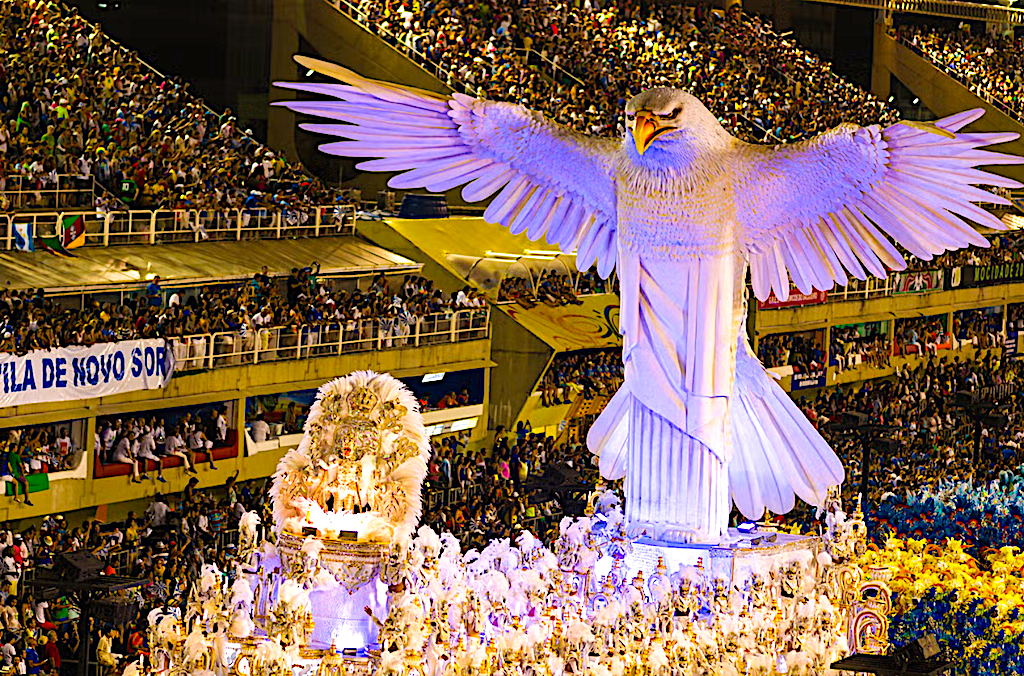
Venice may have its Festival of the Bull [2nd top l.] where gifts of food are handed from a gondola gang to other water-borne Gran Canale vessels, culminating in bull-slaughter—masqued bull—no longer real carnage! But Rio’s mile-long Sambadrome parade [above mid l. & rt.] captures over a million entranced spectators along a route where rainbow-bedecked floats interact with masqued attendees in the seats.
Masquerading as birds-on-stilts, rt. these peculiar hawk-billed creatures are part of Venetian Bull Festival where traditionally a real Bull, pigs & poultry were slaughtered annually; then cooked & given as gifts to the poor in the lagoon during Carneval.
*Doge Vitale II Michiel, 12thC Duke of Venice, in 1122 led a Venetian fleet of 100 vessels & 15,000 men to the Holy Land under flag of St.Peter, with Papal blessing from Rome; Doge=Latin, Dux, Duke.

New Moon February 10th Heralds Oriental Year of Dragon Who Reigns until January 29th, 2025: Lucky for Monkeys, Roosters, Pigs
We’ve all experienced the caravan [current slang for a mobile home]. But few of us are aware of the word’s etymology, or its 12th-15thCC origin; we think of French caravane or Medieval Latin caravana; words picked up during the Crusades, via Arabic qairawan from Persian karwan= ‘a group of desert merchant travelers’. But its true derivation is probably Sanskrit karabhah=’camel’.

Legendary Marco Polo‘s travels in the Orient & Near East rise once again in our vocabulary, because-w/his father & uncle- he travelled the Silk Road from the Eastern Mediterranean>China & Mongolia by camel
15thC map, l. of Marco Polo’s Caravan along Silk Road by camel; courtesy Library of Congress, Washington, D.C.
It seems, therefore, timely and relevant to mention in this Oriental Year of the Wood Dragon, beginning Saturday, Feb. 10th New Moon, that, while the Oriental Zodiac described here contains 12 animals who ran in the mythical Jade Emperor’s Great Race, there wasn’t a camel among them!
The illustrious Dragon competed, but, as he was kind & benevolent by nature, he helped others -like Rabbit- by blowing a gust of wind to carry him over water, thus allowing Rabbit to finish ahead of him.
10 years ago I blogged about my then 7-yr old granddaughter’s story of how Dragon evolved in her ‘How Jagin got his Name’. Her paper masque, rt., with her 1st draft & final edited story here. She’s a Fire Dog!
Dragon finished 5th in the Great Race after 1. Rat, 2. Ox, 3. Tiger, 4. Rabbit.
Snake came 6th; then 7. Horse, 8. Goat, 9. Monkey, 10. Rooster, 11. Dog & 12.Boar/Pig.
This year of the Dragon, 2024, is fortunate for Monkeys, Roosters and Pigs-all behind him at the finish line. His motto: Strength is a gift to be lent, not a power to be wielded.
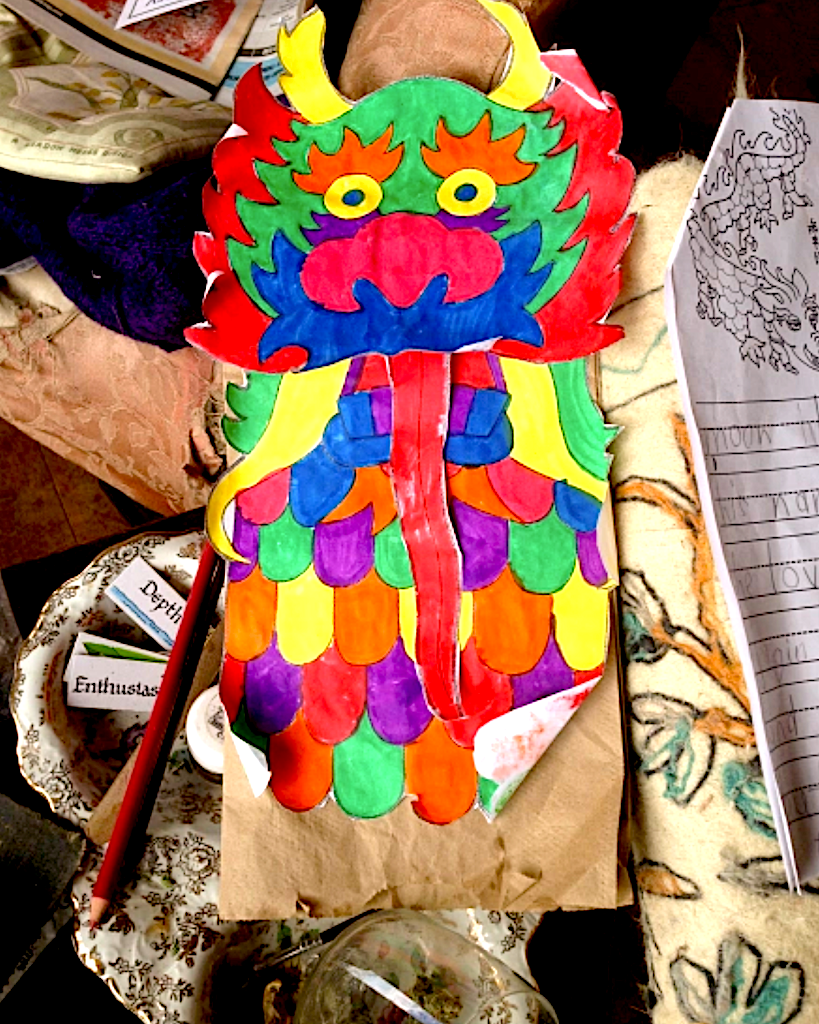
Because the Moon’s first ‘new’ lunar cycle this month is slow [8 days after Candlemas/Groundhog], and as we still—even in 21st Century—calculate by the ancient lunar calendar, Xtian Palm Sunday will fall on March 24th, and Easter will be celebrated #late this year: i.e. on the last day in March. And although Fat (Pancake) Tuesday [Mardi Gras] is Lucky 13th [New Orleans, above 2nd top], Venice Fat Thursday Giovedi grasso & Rhineland German Weiberfastnacht occur a week earlier this year, on Feb.8th.
A Thought Before we Muse-Captive Underling Scribes Dive Back Down our Rabbit-aka-Dragon Hole…
Does having an extra ‘Leap’ day in February account for this? I hear you ask. No. Because one calendar is [4-year leap] solar; and the other is [18.6yr Metonic] lunar cycle. ❤
And we should remember that the Ancients believed that even the old Crone of Winter-the Cailleach– appeared in February, journeying to the Magical Isle, in whose woods lay the miraculous Well of Youth. At the first glimmer of dawn, she drinks the water bubbling in a crevice of rock, and is transformed into Bride, the fair maid whose white wand turns the bare Earth green again. So—Enjoy. ❤ p.s. I’m a Fire Tiger. @siderealview ©2024MarianC.Youngblood
Stepping Ahead into 1st Quarter of 21stCentury While Looking Back to the Goode Olde Days
STEPPING AHEAD INTO 1ST QUARTER OF 21ST CENTURY WHILE LOOKING BACK TO THE GOODE OLDE DAYS
BOOM! JAPAN EARTHQUAKE WAKES us CREATIVE-& not so INSECURE WRITERS as we EMERGE JANUARY 1st WEDNESDAY FROM our SUBTERRANEAN WRITERS‘ CAVE
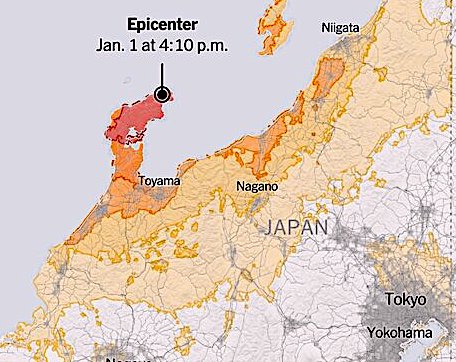


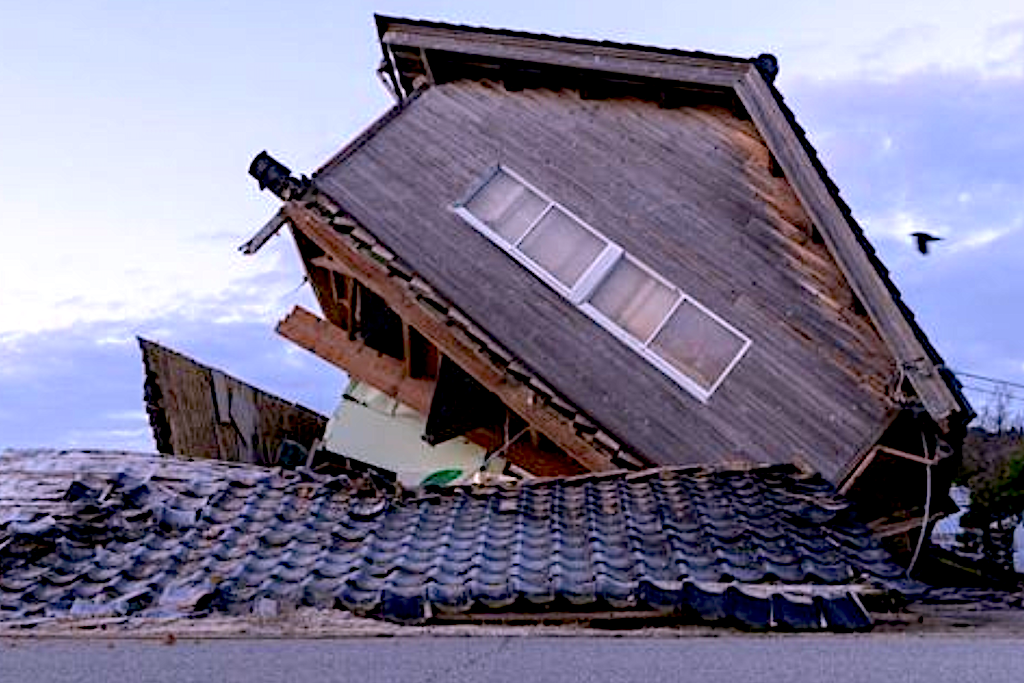

Early 2024 Wake-up Call from Honshu Japan Mag.7.5 Earthquake
Western Hemisphere revellers had barely laid their weary firework-filled heads to rest in the early hours of New Year’s Day, (pix bottom rt. above) when BOOM! a mighty Mag.7.5 earthquake awoke the Pacific from Hawai’i &points West [over International Dateline] 2Honshu, Japan, heralding a New Year series of tsunami warnings unheard since Fukushima.
Another 21 quakes & aftershocks followed during subsequent 24 hours.
Almost 23 years to the date of Fukushima, March 11, 2011 nuclear plant explosion on Honshu’s Eastern shore 100mi N of capital Tokyo, at an equivalent distance W, the Shika nuclear power plant on the Noto peninsula of Ishikawa Prefecture (maps l. above) had received Pacific-wide quake warnings & shut the power off before first earthquake hit at 4:20. While fires broke out in nearby townships, thankfully no abnormalities were recorded on monitors. Water had spilled from a cooling pool for spent fuel rods, but officials had disconnected pumps used for cooling pools after the initial quake alarm, and power was restored less than an hour later, by 4:49 p.m. Japan is nine hours ahead of UHT/GMT.
While the Old World recovers from Hogmanay Antics…
New Year’s Eve, December 31st is celebrated everywhere round the world, but is especially marked in Scotland from ancient times: EVERYTHING allowed; anything goes—similar to Roman Saturnalia—with drinking, street parties & free-for-all visits between neighbors’ houses, especially in open countryside.

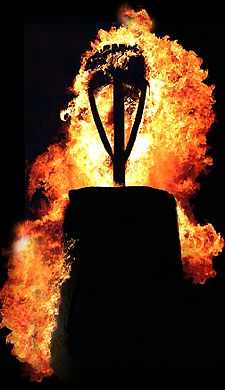
Hogmanay, aka Scots night before bringing in the New Year w/whisky, music & dance, is a festival celebrated December 31st from English Border thru ‘Central Belt’- towns of Glasgow & Edinburgh, to Stonehaven & ABD [#Fireballs swinging ceremony, left] to the Moray Coast [Burghead Burning Clavie on Jan.11th-11days later w/Julian calendar].
It even stretches to parts north, including Viking Orkney & polar Shetland [Ptolemy’s Ultima Thule].
Stonehaven pyrotechnics l. Hogmanay swinging fire-balls w/local Pipe Band & resident song/dance troupe
Celebrations throughout the North American continent encourage near-continuous feasting & festive events from Christmas Eve onward; through the (traditional) “Twelve Days of Christmas” of early Christian tradition—including multi-cultural events like Diwali, Hawai’ian Lantern-Lighting Ceremony—itself a Japanese spin-off subculture event in the Pacific Island chain; and including multiple strictly controlled city fireworks displays. But now there are legal limits.
Personal fireworks night parties are encouraged, but U.S. regulations have come down heavily on private firecracker & rocket-launch fun, with strict fines imposed on (often teenage) offenders; e.g. New Year’s Eve “celebrations” are only legal 5 p.m. on New Year’s Eve to 1 a.m. New Year’s Day!
Olde World ancestors are swinging while swilling chilled eggnogs in their waterlogged graves!
The Caledonian Connection to Olde Times
Many are familiar with Shakespeare’s play “Twelfth Night”, but fewer may be aware of its etymology.
The early Christian calendar-with focus on Christmas [birth of the Messiah] was Man’s ultimate aim for blessing from above in the ancient world. It came exactly 9 months after Annunciation March 25th/i.e. Mary’s pregnancy, aligned with [Julian calendar] Spring Equinox. December 25th in Roman calendar translates to winter solstice. 12 days thereafter calculates to Biblical “Epiphany”, January 6th [Gregorian].
A Puritan-led English Parliament in 1647 banned all celebration, pantomime, carol singing & feasting considering it “a popish festival with no biblical justification” and replaced it with a day of fasting. This ban was, e.g. Boston, Mass. 1659 to 1681, not recognized as a federal holiday again until reinstated 1870.
Pix rt. Caledonian festival in Moray, ABD Burning of the Clavie Jan.11th Pictish hillfort of Burghead where gifts of charred embers distributed to local dignitaries en route.
So it was not unusual on Hogmanay Olde World Scotland for neighbors to bravely tread through miles of snow to reach a friendly party upslope. I recall one year where my local GP, unphazed by Hogmanay snowdrifts, trudged five miles between his country town & my isolated hilltop abode to join the party!





First-footing & New Year Resolutions Get in Gear
As we step-“boldly go” courtesy Star Trek-into a year which will see us through one quarter of the 21st Century, we still make New Year Resolutions to try to keep ourselves true to our own nature—not under the influence of what society expects of us. Thus harkening back to Mediaeval festive rhymes still has a place in our hearts, if only to remind us that we were all once children & kids always have the most fun!

On the 12th day of Christmas my true love gave 2me: 12 pipers piping; 11 drummers drumming; 10 lords a-leaping; 9 ladies dancing; 8 maids a-milking; 7 swans a- swimming; 6 geese a-laying; 5g0-ld rings; 4 calling birds; 3 French hens, two turtle doves & a partridge in a pear tree
Alternatively, see Bulbasaur version here
January Lantern-floating ceremony prelude to Chinese Year of Dragon February 2024, l.
Looking Forward to 2024:Tall Ships Race, Wildlife/Forest & Nature Regeneration
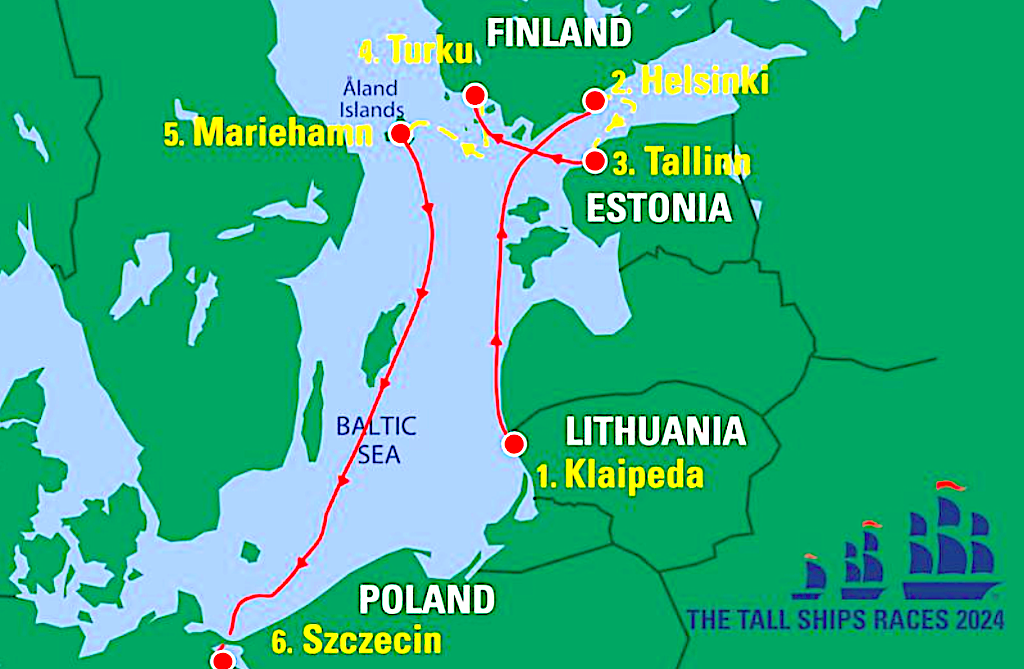
Highlight of summer 2024 in Northern Europe will be the Baltic Tall Ships Race starting from Klaipeda, Lithuania June 27th, & racing via Helsinki, Finland[July], thru Baltic nations to Tallinn, Estonia, to Åland Is. port of Mariehamn, & end at Szczecin [Stetin] Poland on August 5th, 2024-total 1500 nautical miles.





Keeping Our Word & Heading Back Down to our Subterranean Writing Enclave, Clutching our Climate Change Notebook
Midsummer 2024’s Tall Ships Race is a legend in northern European nations since its beginnings 200 years ago in the quiet Northumbrian port of Blyth, near Newcastle-upon-Tyne. From its unassuming N.England base, some of the world’s most famous wooden Baltic Trader vessels were built, sailing to deliver coal to Baltic ports, including Russian trade with St. Petersburg.
The wooden schooner Williams, out of Blyth discovered the continent of Antarctica.
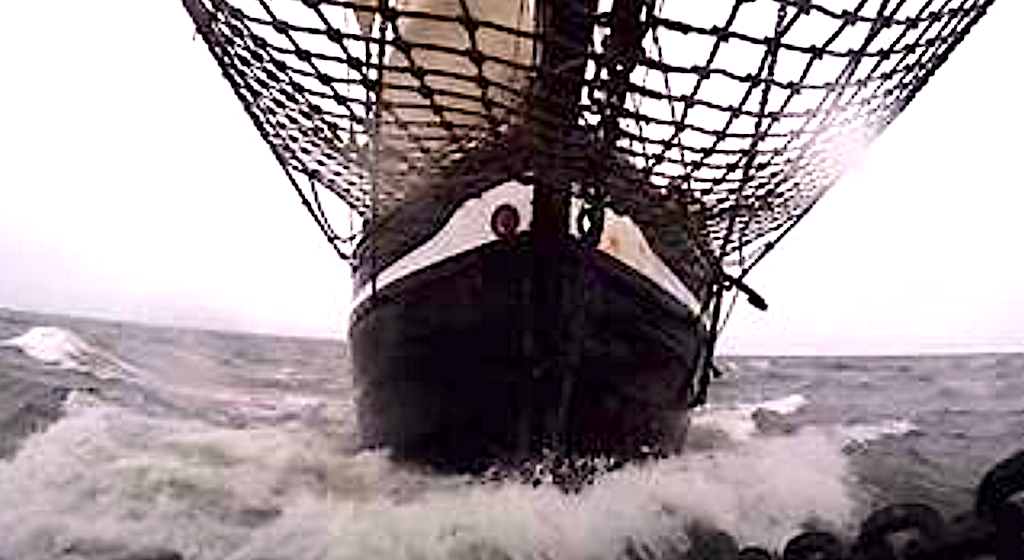
Its replica, 100-year old Baltic trader ‘Williams II’, above top l., is used as a training ship to school young people in oceangoing crafts including, rigging, sailing, navigation, hawser work, knitwork & stitchcraft. Its history is integral part of 2024 Tall Ships race which will sail to traditional Baltic ports this summer; pix above l. middle:Tall Ships 2024 route; top l. prow; rt. Rival Aberdeen-built Tall Ship Thermopylae, among others [including Cutty Sark & Cleopas] also navigated the fierce Baltic run.
Happy New Year, all! With them in spirit, we continue to press this New Year for the Paris Agreement goal of limiting increase in global average temperature to -2°C above pre-industrial levels.
We also wish to send congratulations to other youth organizations which are this New Year following through on Climate Change goals of replanting, rewilding & regenerating inner city—and ancient former-wild spaces: WWF, Trees for Life, Rewilding Scotland; Rewilding Europe & Rewilding Britain; not to mention similar Pacific NW & SoCal rewilding initiatives following the lead of COP26.
New Year resolution? Let’s grow our own veggies & plant more trees together in 2024. @siderealview ©2024MarianC.Youngblood
Sun’s Coronal Hole-Combo-Climate Crisis Make for “Interrresting” December Human Conditions +Airliner Surprise
SUN’S CORONAL HOLE-COMBO-CLIMATE CRISIS MAKE FOR “INTERRRESTING” DECEMBER HUMAN CONDITIONS +AIRLINER SURPRISE
DECEMBER EMERGING from SUBTERRANEAN WRITERS’ WO/MAN CAVE finds us in PECULIAR STATE:SUB-ARCTIC BRITAIN; SNOW & AURORA BOREALIS in ARIZONA

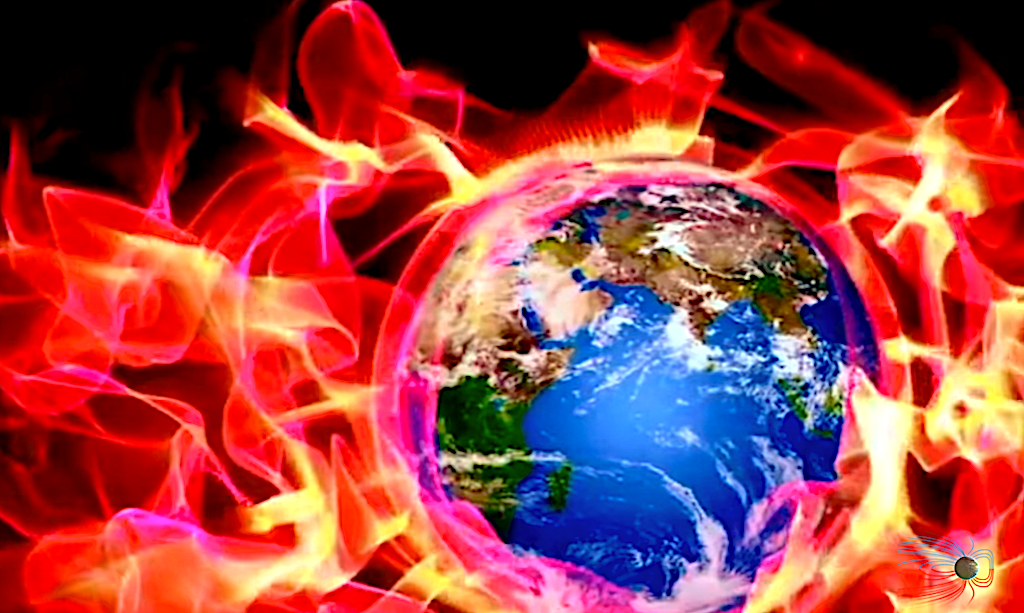


Large Coronal Hole Ejecting Solar Wind Directly at Earth
Coronal Mass Ejections [CMEs]are predictably unpredictable and NOAA’s forecast for early December is giving nothing away, except that normal winter storms will be anything but ‘normal’.

NOAA Space-weather forecast for 1st 10 days December making headline news via wide open coronal hole, l, directed at us.
Particularly unusual: early ice & snow hits NE Scotland-Aberdeenshire & NE England-Northumberland-see snowy pic above top l. 11thC Durham Cathedral on sacred loop-A.D.1093 Xtian shepherd’s crook of R.Wear, before it reaches confluence with R.Tyne.
Aurora Borealis has been spotted as far S as Duluth. Michigan & Arizona, top rt., & above bottom rt.
Despite fierce solar storms headed directly for Earth bringing sub-zero temperatures for U.S. cities, many have begun their civic Christmas-tree lighting ceremonies with traditional parades and street parties.
While Hawai’i celebrates Lono’s Makahiki festival [see below],with street parades and canoe & surfing contests offshore, it is well to remember Capt.Jas.Cook’s 1778 arrival in the Islands was thought to be the god Lono’s ocean canoe arriving for the festival -hence he was welcomed [& later killed!]
With onset of Advent [Xtian calendar 12/1] Christmas trees in all parts of the Northern hemisphere have been illuminated in town squares, shopping malls & in some early-birds’ homes-e.g.my g.dau’s cowboy home stead in Alabama-with appropriately topped cowboy-hat-star.
In case of any doubt—it is a sign that, even if zero snow on ground, there are plenty of frosty greetings in southern hearts!

Hawai’i Celebrates Traditional Street Parades-& an Airline Surprise
Lono-i-ka-makahiki [Lono] below rt. is the god associated with the Makahiki—a Hawai’ian “New Year” festival that starts w/the “rainy season” [any time after November & lasting thru February/March]. He brings prosperity to the land and is associated with fertility, agriculture, rainfall, music, and peace.
Hawai’ian tradition tells that Lono travels from Kahiki (ancient homeland) to the Hawaiian Islands when it first rains during the ho‘oilo (wet season) for Makahiki. Street parties & traditional parades, pix below rt. often coincide with city tree-lighting ceremonies but his feast in ancient times was signaled by the sighting of the star cluster Makali‘i (Pleiades or Seven Sisters, M.45) below l. as it rises over the horizon in Hawai‘i at sunset. This happens around early November and lasts for four months.


Their names In Celtic countries are somewhat alike: TŵrTewdws in Welsh; in Irish Streoillín. While Arabs call them al-Thurayyā, in Hindu mythology they are associated with the god of war & known as Krttikà or Kartikeya & aligned with the Saptamatrikas [7 mothers], celebrated always on new moon Diwali. Native American tribes of the Quechua call them Qullqa=the storehouse. Full “Cold” moon is Dec.26th.
We know the Pleiades as star cluster Messier 45 in NW night sky in constellation Taurus, approx. 444 light years distant. It also features on 1800-2600 B.C. Bronze Age Nebra sky disc, above mid-rt. found in Halle, W.Germany. Their name in Japanese is Subaru. Six of seven principal stars featured on the automobile company’s logo denote their six principal engineering divisions.
…and a Hawai’ian/Pacific Alaska Surprise
Midway through Hawai’ian “New Year” Makahiki season, above bottom rt., Alaska Airlines announced plans to acquire Hawaiian Airlines for $1.9 billion. It marks a significant milestone in the airline industry. The acquisition-pending regulatory approvals and Hawaiian Airlines’ investor consent-is set to combine two iconic Pacific brands. A combination of Alaska Airlines and Hawaiian Airlines operations would create the fifth-largest airline in the U.S.A.
Plans at present are to continue to operate out of Honolulu, Oahu, HI, but the possibility of a new H.Q. in Seattle, WA has been mentioned. Both divisions will continue to display local native feature designs.
Hawaiian Airlines operates a fleet of long-haul wide-body A330s and Boeing B787-9 aircraft, as well as narrow-body A321-neos, Boeing 717s, while Alaska uses the smaller narrow-body type. Keeping this iconic fleet mixture operational presents a fresh challenge to Alaska Airlines in their operations and maintenance divisions, because the airline has not previously operated wide-body planes, since it discontinued its [Euro] A320 Airbus fleet last year.

Hawaiian Airways wide-body Boeing 787s are a feature of Pacific travel, affording all passengers generous seating space, good visibility & wide aisle mobility.
Takeover bid by Alaska Air may make some travelers feel restricted,but the airline plans to create an “interesting mix” of aircraft to satisfy all demands, & to use smaller craft for inter-island hops, they announced.
Both companies traditionally use native images on their tail structure: native Tlingit on Alaska and native hibiscus-adorned Kānaka Maoli on Hawaiian Aircraft. These iconic designs will continue.
Alaska Airlines has ordered 52 additional Boeing 737 MAX aircraft, scheduled for delivery between 2024 and 2027. This will increase the airline’s confirmed 737 MAX fleet from 94 to 146.
Alaska’s CEO Ben Minicucci says:”We are fully committed to investing in Hawai’ian communities and maintaining robust Neighbor Island service that Hawaiian Airlines travelers expect. We look forward to deepening this stewardship, as our airlines come together to provide unmatched value to customers, employees, communities and owners.”
And While we’re Onboard Wide-Bodied Aircraft…
A U.S. Navy Maritime Patrol Poseidon P-8A plane returning from a routine training exercise last month overshot a military runway at Marine Corps Air Station Kaneohe Bay, Oahu, HI & got stuck on coral reef.


Last week it took combined efforts of U.S. Navy divers, Marine Corps engineers and a local Honolulu land-based salvage & recovery contractor using airbags & subsea flotation hawsers to pull aptly-named “Poseidon” [Gk. Ocean god] out of the Bay and off the (protected) coral reef, where its undercarriage pulverized coral and where leaked fuel may have contributed to further damage.
P-8A Poseidon maritime patrol plane, designed to carry out military anti-surface warfare & electronic surveillance can transport cargo & also act as a mid-air refueling tanker. It is the militarized equivalent in size and rescue capacity of a Boeing B-737. The jet belongs to U.S. Navy Patrol Squadron (VP-4) based at Naval Air Station Whidbey Island, WA. She was on ‘routine’ training exercise to the Islands.
Navy Rear-Admiral Kevin Lenox, incident commander in charge of Poseidon’s recovery, said all efforts by Navy divers, recovery vehicles and airbag technicians coordinated “remarkably well, considering it took sometimes up to seven hours to move her only 100ft out of the water!” Process of reassessing damage—to both military hardware and subsea coral—is ongoing. Despite all remaining fuel being syphoned off, the P-8A lost its nose-cone & suffered some undercarriage damage in the incident.
If Poseidon Scenario tempts us Creative Writers..
If the sad fate of unhappy nose-less Poseidon strapped in her airbags & floundering like a shipwrecked turtle on the shore of a Pacific island resonates & you don’t feel like re-submerging in our subterranean Writers’ Den, we empathize! It’s winter after all: we all need a little sunshine to heal our weary bones.Yet needs must when the Devil drives!
Thank you being there. Happy Christmas! enjoy all the festive party games & even happier full Cold Moon Boxing Day. See ya in 2024, writerly comrades. ©siderealview ©2023MarianC.Youngblood
November Remembered for ‘Gunpowder, Treason & Plot’:420yrs Later Have We Learned Anything?
NOVEMBER REMEMBERED for GUNPOWDER, TREASON & PLOT—420 YEARS LATER HAVE WE LEARNED ANYTHING?
November’s First Wednesday Emergence from Writers’ Subterranean Wo/Man Cave 2Greet Same-old Same-old—or Heavens2-Betsy Are We Creatives Starting 2 Get it?

Hallowe’en 2023’s Full Hunters’ Moon— [Native American: ‘Falling Leaves Moon’]& Samhainn [ancient Celtic New Year], mark transition to Autumn: ‘clocks #fall back’ to EST/GMT closest to Guy Fawkes Day
Remember remember the 5th of November Gunpowder,Treason & Plot; I see no reason why Gunpowder Season shuld everB forgot
1875 & 1926 British Nursery Rhyme
Guy Fawkes was discovered midnight Nov.4/5 1605 lurking in cellar underLondon Houses of Parliament building with a fuse, box of matches & 36 barrels of gunpowder as Catholic sympathizers tried to blow up Protestant govt led by King Jas.VI & I
Warlords, Political Peacemakers? Do Leaders Inspire or Conspire?
This has never been a political blog—my work here has always been to find the best in human nature and share it with writers [insecure or otherwise, screenwriters & creative talent always included]. But there are times…with constant news focus on violence, war on Mediterranean shores, and challenging video footage of human conflict, when it is vital to try to see the #BiggerPicture, a greater perspective.


Guy Fawkes/Brit ‘Bonfire Night’ Combines Hallowe’en & ‘Guising‘- 17thC Equivalent of Nevada Desert Burning Man’s Flaming Effigy
Whatever the weather—amid storm, rain clouds or bright moonlight, British teens [& many traditional adults, too] still show up at their local park or town centre on Bonfire Night aka Guy Fawkes, Nov.5th, to watch [and participate in] a large bonfire—wood & scrapheap incendiaries collected by local Council volunteer groups beforehand. The event, contrary to strictly monitored U.S. equivalent, is accompanied by a Council-funded fireworks display. With adult supervision, toddlers & small children are allowed to set off their own “squibs”/firecrackers.
With the exception of iconic U.S. music festivals like Newport/Monterey Jazz, Woodstock, Altamont, CA & Reggae-on-the-River, Humboldt, CA, many recent community [music and other genre] events have been distinguished by an extreme police presence, yellow tape, restricted parking and other controlling measures which often undermine the ethic invested in the event to begin with.
Last year’s Burning Man at Black Rock, Nevada Desert is a fine example of human resourcefulness in face of deluge & extreme flooding, to extract thousands of powerless individuals from a soaking sand wasteland. Police were on standby, but their vehicles were unable to accomplish what kindhearted humans did for one another—saving many from certain demise.
Human Kindness Factor in Hawai’ian Rescue of Làhainà, Maui

Maui’s 150-year old Banyan tree [Ficus Benghalensis, relative of edible fig], pix l. upper, before & lower, after 8/8 Lionsgate fires which demolished its surroundings, along with adjacent neighborhood marina filled with boat owners & vessels unable to flee the burning harbor. Nobody drowned, but so many vehicles were destroyed that road traffic was impossible.
Arborists have sunk water pipe network of tree ‘food’ near re-plugged aerial roots to help re-anchor her system to regenerate.
Benches under canopy were unharmed, & caustic burned earth has been removed.
Red Cross & volunteer agencies still there.
Three months on from Hawai’i’s “most horrific disaster since WWII”, the brave residents of LàHainà community on Maui’s western shore, have chosen collectively this week to welcome tourists/visitors back to their [partially-rebuilt] town and marina resort—with the proviso that visitors maintain respect for those 115 lives lost in the fires on 8/8 which burned 22,000acres of town & woodland, including a marina filled with boats, surfboards and small craft.
While outside agencies have tried to provoke long-time residents into taking Hawai’ian Electric to court, many have declined, knowing that fire itself was the ultimate criminal in burning down both power lines and island-wide emergency siren towers, used in event of tsunami emergencies. Telephone, electric and siren poles were first casualties, giving citizens sole option of fending for themselves and helping their neighbours—which they did in spades!
LàHainà’s emergency will go down in history as one of great Human Kindness. Maui Humane Society is still on site, and has been returning rescued cats, dogs & other pet animals to their long-lost owners. The banyan tree is only one of several local tree replanting projects to restore Nature’s bounty to Maui.
Samhainn pre-Celtic New Year:Six Months from Bealtainn/MayDay
The ancient calendar began November 1st, one of four ‘cross-quarter days’, to distinguish them from the solstices [June/December 21st ‘quarter days’] & equinoxes [March&September 22nd].
In N.E. Scotland, where rewilding is restoring rich Caledonian pine forests which used to stretch from Abedeenshire to Morayshire coast before being burned by Robert Brus in his personal vendetta against rival Comyn, Forbes, Keith estates in 1308 Herschip o’Buchan /harrying/burning of Buchan, exciting restoration work is being done by private individuals, as well as foundations such as the family trust of Viscount Cowdray descendants of Cowdray Polo Park, W.Sussex & Dunecht House ABD, below.





Viscount Cowdray’s Heirs Continue his Legacy in Aberdeenshire
Weetman Pearson, (1856-1927) 1st Viscount Cowdray was an industrialist invited by Mexican President to build the Tehuantepec railroad between Atlantic & Pacific coasts. During stopover in Texas where he missed his connection, he noticed oil bubbling from a local puddle; called his technicians to investigate (thinking any resource found could fuel his Mexican enterprise!). When the well produced big time, he not only completed his Mexican deal, but created the early stages of what became Royal Dutch Shell. His family Coat of Arms above pix bottom l. pays tribute to his Mexican past.
When he died at Dunecht House aged 70, his £400million [$24billion by today’s standard] fortune was split 10 ways among his children. Grandson, Weetman John (Churchill) Pearson [1910-1995] 3rd Lord Cowdray was interested in following in paternal footsteps after fighting [& losing an arm] in WWII. He & his children all continued to support his Aberdeenshire Dunecht Estate-still do.
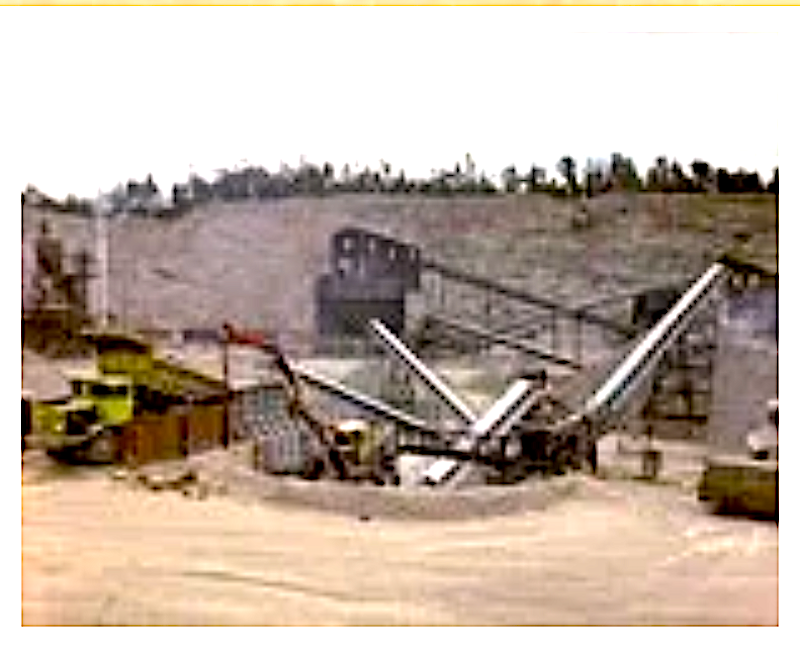
When Craigenlow, l.&rt. top above reopened granite operations 1945 after the war, Cowdray liked to attend a “blast”. My father, RCKelman, chairman Craigenlow Quarries Ltd enjoyed inviting Aberdeen dignitaries & VIPs to watch strictly-supervised gelignite explosions along the 100ft high 100yd-long granite quarry face, felling approx.150,000tons granite at a time. He & Lord Cowdray had much in common: my father, a childhood polio victim, had a ‘gammy’ leg which agreed well with Lord Cowdray’s missing arm.
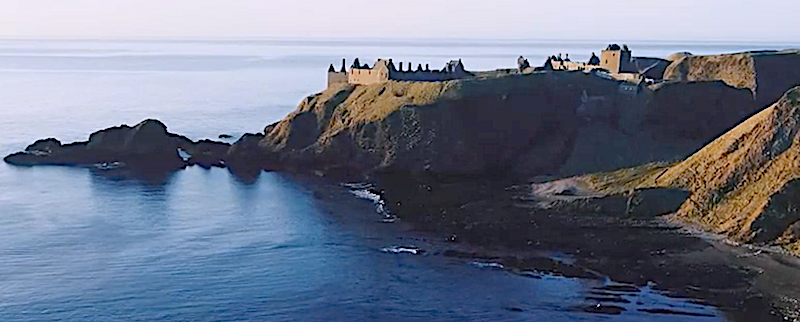
Today Dunecht Estate is run by his second son Hon. Charles Pearson & family, with several properties in trust, including fishing on River Dee, forestry, farming, field sports [Raemoir, Forest of Birse, Durris & Edinglassie] and including, pix middle 2 above, Dunnottar Castle Kincardineshire coast, now Aberdeen. This ancient Keith-Earls Marischal stronghold is run as a visitor attraction and is a focus for the family’s continued ethos of using sustainable farming and growing practices to support local communities.
Before Heading Back Underground to Our Muse Den…
With so many telltale warnings from Mother Earth in her quiet way trying to tell us to slow down & go easy on our little planet—the only one we got until Mars or Space-X prove otherwise—it’s a good time to keep an eye on the heavens. At top of this blog there appears strange looking black celestial object which isn’t just there to scare the Hallowe’en crowd. Part of a recent scan by the Jas.Webb telescope, and NASA’s Hubble, it shows ancient Arabic-named supergiant star Betelgeuse [pron.Beetle-juice! hence the joke movie] situated high above constellation Orion—very visible in winter skies. Its pre-Christian legend is of one-armed or one-legged god swinging a club/or dragon at an invisible force for an eternity. But this supergiant [in Orion’s outstretched arm] may be dimming at such a rate that it may become a supernova, i.e. explode.
Betelgeuse is only 725 light years away—meaning if it has already gone supernova, it happened c.1300 A.D. and we are about to witness what happens. If it continues to dim & throw great chunks of carbon-filled fire & dust into its immediate orbit, it could end in blowing itself into oblivion. Hubble astronomers say:”No one knows what a star does right before it goes supernova, because it’s never been observed”.
So keep your eye on Orion through the winter—he might just throw us a treat!
And p.s. Don’t forget—Brit music fans, particularly in Stroud/Gloucestershire/Salisbury area: Saturday, November 4th at the #SubRooms [mid pic above l.] Tiger Split Outfit playing your fave music. Enjoy. ©2023MarianC.Youngblood
Warmest Year on Record: 2023 “October—All Over”? No Chance as Angels Are With Us
WARMEST YEAR ON RECORD: 2023 “OCTOBER—ALL OVER”?-NO CHANCE AS ANGELS ARE WITH US
Bahamian Hurricane Rhyme Stirs Us Creative [sometimes Insecure] Writers from Our Subterranean Slumber, Shoots us like Goddess Pele’s Lava Fountains into Real World
“June—too soon; July—stand by; August—come it must; September—remember; October—all over”
Traditional Bahamian hurricane rhyme, now weirdly outdated by 2023 temperatures & solar activity

Coronal Mass Ejections [CMEs] Still Corrupting Earth’s Weather
If we thought the month of October would bring cooler weather—technically a month after official “fall”—autumn equinox, September 23rd—we earthlings have been proved wrong, again.
Northern hemisphere temperatures continue to blast hot days [& not-so-cool nights], even though some areas of New England and northern Scotland are experiencing the beauty of falling leaves and changing colours in coastal woodland and montane forests.
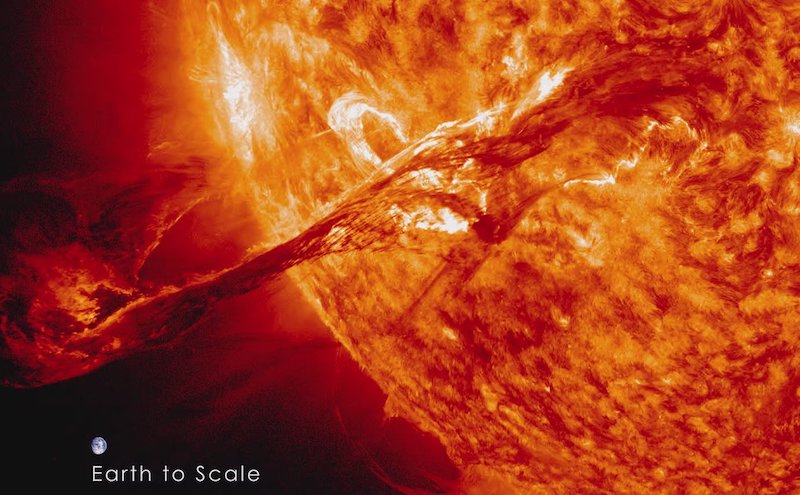
CMEs which began last month-9/11-with a direct hit on Earth September 19th, have been plaguing distraught scientists who issued warnings to stay indoors.
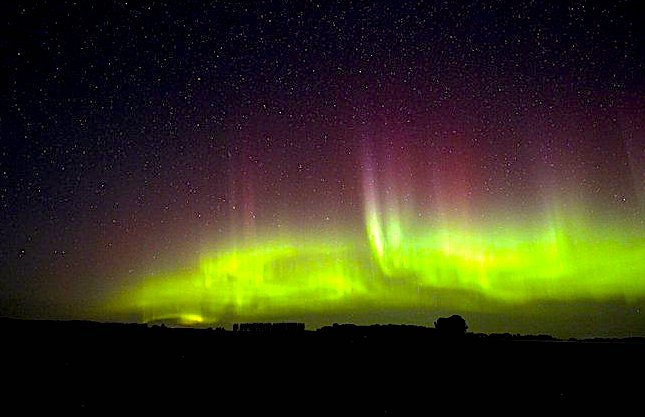
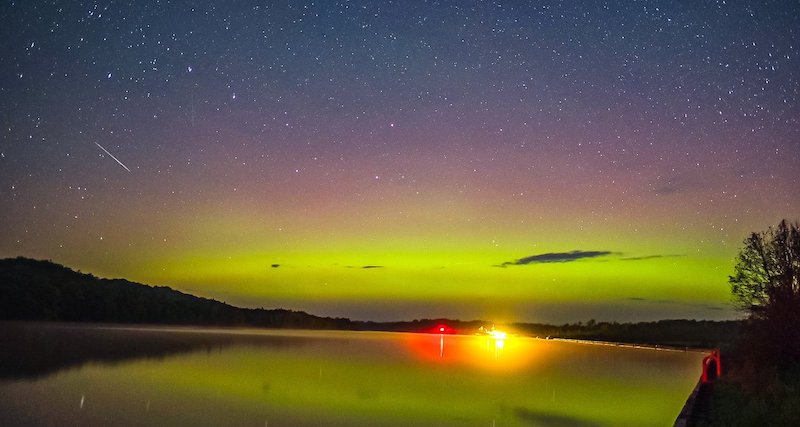
But magnificent #AuroraBorealis, top, has tempted viewers outside from Arctic circle [Reykyavik, Iceland] thru the British Isles, & as far as Michigan-Keweenaw Peninsula,MI above top rt. Photo l. courtesy NASA
U.S.-wide memorials to those lost 22 years ago in New York’s 9/11 attacks on World Trade Towers, 2001, were accompanied by earth-wide explosions [Marrakech prefecture Morocco where earthquakes rendered 2100 people dead, but spared the local Mosque] & floods in Greece & Turkey caused by unusual weather swings. Some southern U.S. states [Nevada, Texas & parts of CA border w/Mexico near Tijuana] also suffered, but first responders—geared up after last month’s flooding at Burning Man, at Black Rock, NV quickly restored order. Turkish/Moroccan authorities are still at work clearing rubble.
Historical Examples of Celestial Intercession bring Peace to Many
Following Hawai’i’s tragic loss of life in the August 8/8 Làhainà fires on the island of Maui—sparing the local church building—and last month’s Marrakech earthquake where the local mosque was untouched, many have compared such unusual anomalies within destruction with the horrendous bombing in WWII by the Allies of Germany’s Kölner Dom—Cologne Cathedral on the River Rhein/Rhine—below, which remained standing while all around was bombed to bits.




Begun in 13thC on a sacred site of previous Roman worship, the Hohe Domkirche Sankt Petrus,[Cathedral Church of St.Peter] is the highest twin-spired church in the world at 515ft/157m.
Construction began in 1248 on an edifice which was to house the reliquary of the Three Kings and also to be majestic enough for a Holy Roman Emperor. But work stopped and it was left unfinished c.1560. Attempts to complete construction began again in 1814 and a protestant Prussian overlord injected major funding in 1840s. The façade was completed to the original medieval plan in 1880.
In 1996 it was designated a UNESCO World Heritage Site.
Significantly, its original medieval name, the Cathedral Church of St. Peter, has ties to other northern nations like Anglian Northumbria, Celtic Brittany and Kernow/Cornwall-with influence in Anglesey, Wales and Ireland. Its Prussian overlords not only injected much-needed funding to complete the building, but effectively re-translated its medieval [Roman] catholicism to protestant worship; thus keeping it more in line with original 8thC non-partisan [though aligned with Rome] Pictish kingdom of Peterkirk monarch Nechtan, who pulled his nation out of heathen darkness into Christian light with his stone “Fite” kirks.
In Ortelius’ revealing map of Scotland [Britannia Minor]! 1595-1612, mention is made of tribes Caledonii, Attacotti, Maetae and Venicones-viz. Tacitus.
By making the Grampian Mountains [Graupius mons] stretch from Firth of Tay as far N as Ross & Cromarty, however, he may have misled many historians to think Calgacus‘ battle of Mons Graupius happened in Morayshire! Some still do!
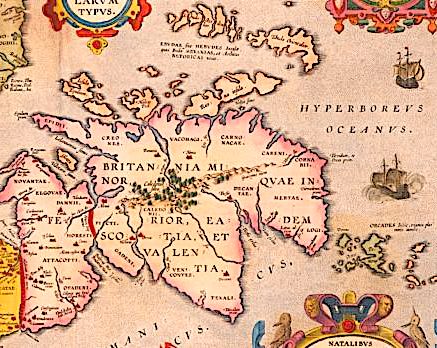
N.Britain—Roman ‘Ultima Thule’ Beyond the Wall—Back of Beyond
Historically Scotland—Ortelius’ ‘Britannia Minor’, above, and Hadrian’s Legions’ ‘Ultima Thule’ is a prime example of map-makers’ guesswork, in the absence of real on-the-ground discovery/exploration.
Tacitus, writing A.D.98 on the life and character of his father-in-law, Roman General/Governor of Britain Julius Gnaeus Agricola A.D. 77/78–83/84, described the tribes of North Britain—Caledonians—as heathen tribes of warriors in a country few of his contemporaries knew existed. At the time Caledonia was split into two divisions: Dicaledonii ruled by Pictish kings, in Moravia [Moray] and Veniconi & Taexali in Mar & Buchan [Aberdeenshire].
Solitudinem faciunt Pacem appellant
Calgacus exhorting his Caledonians before Battle of Mons Graupius AD83
They create a Wilderness and call it Peace—


Roman Walls of Hadrian & Antonine built to Control ‘Warlike’ Picts
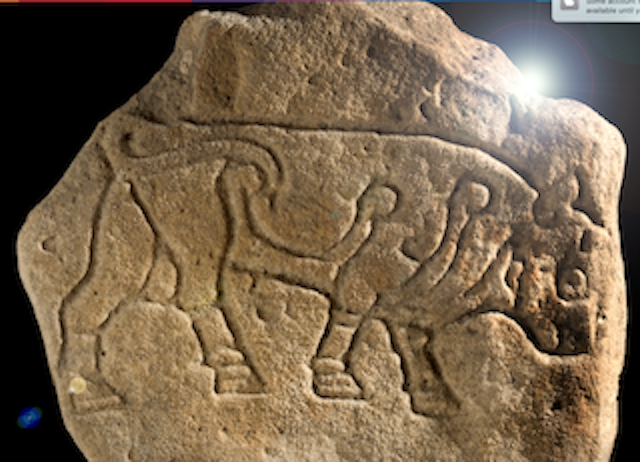
Roman legions—with their military god Mithras leading them north into unknown territory—were quick to destroy any signs of Pictish bull-worship which conflicted with their own pagan god Mithras’ birth— Hellenic pagan Mithra born under the sacred tree of life already bearing arms, able to ride (and kill) the mythic life-giving cosmic bull whose blood fertilized all vegetation. Pictish Class-I carved bull stones, viz. Burghead‘s 32 iconic guardian stones, were automatic casualties. One remains in British Museum. Others—thrown in the harbor—are still “missing”.
One intriguing reference from Roman authors following legions’ forays into Britannia Minor was that the Pictish citadel of present-day Edinburgh Castle, Braun Hogenberg 1581-8 map above, lower l. was the Castrum Puellarum, ‘Citadel of the Virgins’ or ‘Maidens’ Castle’ c.f. Maiden Castle, Dorset, ABD Maiden Stone. While the Aberdeenshire & Dorset icons refer to P-Celtic/Brittonic Mai-duinn=morning [ABD Maiden Stone casts no shadow at noon, but acts as sundial both a.m. & p.m.], the Castle in Edenbvrg was actually used by Picts to board up their young virgins while they went into battle, because the fortress was impregnable/safe.
It was a safe stronghold for other princesses. King Malcolm III [Canmore]‘s widow, Queen [later St.] Margaret of Scotland used it for her refuge after his death, A.D. 1093.
Other notable features of the capital city are: ‘High Street’, top, now the ‘Royal Mile’- its exact length; the town gate, bottom, near ruined Abbey of Holyrood; whose guesthouse was later transformed as official residence of the monarch in Scotland—the Palace of Holyrood House.
Also of note in Mercator 1595 maps, above top l.+rt. inset, Loch Ness is clearly marked with an opening to the North Sea on Moray Firth—today only accessible to boat traffic via man-made Caledonian Canal.
With Angels & Saints in our Corner, How Can We Lose?
Even in this 21stC age of materialism where the ‘Almighty’ is the dollar on the ground, rather than a spiritual presence from ‘Above’, thankfully there are moments of personal Revelation when a door—or a new path—opens up, where we thought there was no way forward.
But we gotta believe ❤ for it to happen.


Prime example of human belief in a higher power & fortitude when all light seemed dim, three pioneers stepped into a void on a beach on the Moray Firth [now considered part of Aberdeenshire, Scotland] in 1962 to follow their dream, and the spiritual community/ecovillage of the Findhorn Foundation began.
Dorothy Maclean, 1920-2020, pic.4 Canadian gardener communicated with the Devas, spoke to sweet peas and the pea fairy while she worked, was co-founder alongside her Brit friends Eileen Caddy who meditated while on the toilet in her ‘fifties blue caravan, far rt. above, with her ex-RAF husband Peter Caddy, a WWII vet. They all shared a dream of international peace. And growing their own veggies.
When their first year’s garden produced cabbages of such enormity that they could feed an army, all three realized they’d touched base with the ‘Great Spirit’—the Angels [FF member Joy Drake’s angel cards above 2nd l.]—and Universal Consciousness.
The Universal Hall was built [lower l.above]. Dorothy returned to die there, March 2020.
And the rest is history.
Findhorn Foundation celebrated its 60th anniversary last year, 2022. Winding down its workshop syllabus was chosen by team residents after the Sanctuary burned 2021.

Resource People Around the World
While it is tragic that Findhorn’s spiritual workshop initiative & on-site teaching seminars have come to an end—its last hands-on event was September 22, 2023—the Foundation continues with help from its RPs-[Resource persons] who have spent long periods at its Ecovillage on the Moray Coast.
My first RP Gathering in 1988 as one of their worldwide network [am current RP for U.S.A.Hawai’i-Hilo] was the first where they were proud to be represented by spiritual practitioners in over 40 nations in the world. At that time I was resident in [& RP for] nearby Aberdeenshire-not too onerous a task. ❤
While this news of the Foundation’s last workshops may disappoint many, to me it seems only natural—in a 21stC milieu of extremes [poverty & riches; poisonous & organic; death & life miracles] that on one level they’re returning to the simple life in the blue caravan on the beach overlooking Findhorn Bay.

More sad news:last week iconic 300-yr old ‘Robin Hood’ sycamore featured 1991 Kevin Costner movie at Hadrian’s Wall National Trust Northumbrian WorldHeritage site was chainsawed/vandalized.
Police have held & released two suspects & continue to investigate reason for such vandalism on a special tree, beloved & visited by thousands.
One thing amid uncertainty: Nature always survives, Of that we are certain: Angels are still with us all—Creative Writers/Artists; first responders; ditch-diggers; television & movie strikers & production teams. Thank you, @SGA Hollywood for recognizing screen-writing talent; & thank you, Universe & Angels & Great Nature Spirit-we’re all still here. And we believe. @AAM @cleopasbe11 @siderealview ©2023MarianC.Youngblood
September-Remember: As Autumn Hits, Human Tragedies are Hard to Forget but Human Kindness Wins
SEPTEMBER-REMEMBER: AS AUTUMN HITS, HUMAN TRAGEDIES ARE HARD TO FORGET BUT HUMAN KINDNESS WINS
From DEEP INSIDE EARTH’S CORE we CREATIVE [occasionally INSECURE] WRITERS EMERGE to LOOK AROUND at DISASTROUS EFFECTS of GLOBAL WARMING & WEEP
“June—too soon; July—stand by; August—come it must; September—remember; October—all over”
Traditional Bahamian hurricane rhyme, now severely outdated *see effects of DORA below


Maui Wildfires and Human/Wildlife Loss Stir Worldwide Response
While one might be forgiven for believing the U.S. Labor Day Weekend fiasco at Black Rock, Nevada’s Burning Man Festival [August 27th thru September 4th] was tragic—torrential rain (2″) all day Sunday-made wilderness campers & artists look like mud sculptures in a normally arid desert—revelers didn’t appear to be phased by Mother Nature’s drenching gift. Some tried to exit the muddy venue in vehicles ill-equipped to handle deep bog conditions.
Authorities ordered dancers, musicians and party-goers to “shelter in place”, but many trailer-dwellers & stuck campervan owners shouldered backpacks and attempted to hike 5-6miles out to dry ground.
Proximity to Ocean did not Save Làhainà Marina, but Divers Assist
Water was in short supply one month ago, when Hawai’i’s worst disaster in living memory happened on night of August 8th, 2023 [cosmically ‘Lionsgate’ 8/8] & the island of Maui was struck by a combination of lightning storm, tropical typhoon Dora, downed power lines and wildfires which engulfed the coastal town of Làhainà, spreading from oceanfront all the way to interior mountains in the centre of the island.


Emergency sirens—usually sounded in the event of a tsunami—were, because cable towers went down, without power & unable to blare a warning to residents on Maui’s southern shore. Sharp-eyed residents still awake, on the other hand-many older people were already in bed-took it on themselves to rescue a few of their own belongings, plus cat & dog [& other pets] and raise the alarm with their neighbours.
Fire was already consuming vehicles, and traffic on the main highway was down to a crawl—then nil.
So, locals took their few precious possessions, pets in arms or on a leash—and walked.
Because of severity of Dora winds, they met a combination of thick, dense smoke, unbreathable air+ immediate blockage of any & all escape routes. Many headed for the marina & dove in, hoping that proximity to the ocean would give them time to gather their wits, if not their doomed belongings/home.
Làhainà Oceanfront Villas Burned, despite Divers’ Help
But vessels at anchor along the oceanfront piers were also on fire—with yachts’ & speedboats’ water-logged hulls succumbing to flames. Many sought help, as volunteer divers and veteran surfers tried to save those less able than themselves.
The nightmare continued for the rest of the week as official rescuers, first responders & government agencies began the work of ‘search-&-rescue’ of missing persons, pets & belongings, after the fires were contained.

Lahaina’s iconic 150-year-old Banyan tree [Ficus Benghalensis] in downtown survived the fires. Benches under her aerial roots lay unharmed, but work by arborists continues 2tap underground feeders so new shoots can sprout both underfoot & in her canopy.
“After” above, & “before” pictures of the legendary Lahaina old lady.
Sap is still oozing from her main trunk & bore holes are being filled with organic earth-based ‘soup’, to encourage aerial roots to reattach themselves below ground

A Month Later, 115 People Dead,110 Missing–22,000Acres Burned
Fires are now 100% contained—even those spontaneous brush fires inland. This means they aren’t all out; but that Fire Dept. water hoses, helicopter ocean-filled buckets and local rescuers’ garden spray efforts [if they still work] have the previous inferno under control.
One month later, official death count stands at 115 dead, a similar number [110 approx.] missing, with the Maui Humane Society still on the ground assisting in finding & rescuing bewildered animals who don’t know where their owners are. In the first week of the fires, some animals were taken [when there were no shelters in situ] to Honolulu & mainland California, but all records are now updated and owners have been contacted—where possible. They suggest you call them if you haven’t found your pet.
Cats & dogs with seriously burned paws have been stitched & bandaged, scorched whiskers trimmed, other injuries surgically treated. While some owners have claimed their lost pets & taken them to state-offered free lodging, shelters, emergency quarters, or to relatives who still have a roof over their heads, a number still remain in the Society’s rescue cages.
Rescued animals include 10 cats, 14 dogs, 3 rabbits, one baby boar, one dazed chicken and a parrot.
International Response—Food & Financial Help from Media Stars
While local divers & international agencies collaborate with on-the-ground K-9 search dogs amid the ongoing clean-up operation, it is hoped the body-count will not get any higher. Tragic stories emerge of lost loved-ones found still clutching a beloved dog, of missing cots uncovered with babies still in them. Thankfully, few isolated child deaths have been reported. The job of sifting through contaminated ash & [unbreathable] dust heaps continues.
Meanwhile Hawai’ian Governor Josh Green encourages residents with relatives still unaccounted for, to contact his agency which is maintaining an exclusive DNA bank of relatives looking for a lost loved one.
FEMA [Federal Emergency Management Agency] has received ca.11,000 requests for assistance and has donated $14.6 million in federal housing and individual assistance. Governor Green said 6,000 people are now living in hotels and Airbnb units, paid for by his office, with help from FEMA.

Media stars Oprah Winfrey & Dwayne ‘The Rock’ Johnson-with 2nd homes on the island-have set up their People’s Fund of Maui, starting with a sum of $10million of personal funds, and assuring those who want to help that every penny will go directly in the pockets of Maui residents affected by the recent wildfires.
They guarantee any adult resident in the area displaced by Làhainà & Kula wildfires is “eligible to receive $1,200 per month”.
American Red Cross & Salvation Army have been on the ground since day one, providing food, free shelter & are now assisting those with no home to return to, to move into Govr. Green’s special units.
On a Brighter Note…Before our Muse Drags us Writers Back Down into our Subterranean Cave
September-Remember: one of our hurricane rhyme lines (top) is brimming with unspoken truth: it’s often a time around autumn equinox (9/22-23) when we look back on the year & prepare for winter—and the holiday season. 2023 adds a few sky miracles to help us through hard times. ThankU Universe.
With a new moon in Virgo September 14th, our skies will be dark: perfect for spotting the new comet C/23-P1 Nishimura which will be visible to the naked eye [without binoculars or telescope] in the early morning sky around 4a.m. Sept.12th.
Tonight 9/4-5 the Moon & Jupiter will be conjunct—together as they circle us Earthlings.
Then green comet C/23-P1 Nishimura can be spotted by early birds at 4am 9/12 thru 9/17 when it reaches perihelion-closest to the Sun in its orbit-before heading back out of the Solar system.
It won’t return until until 2431-that’s 107 years from now.

And if you need further consciousness-raising before you join us obsessed writer-holics as we go back into our Muse-directed subterranean cave below the Maui Banyan tree [<3]-the Moon & Saturn will be conjunct-only 2º apart on 9/26, with full Harvest Moon-closest to Equinox-in Pisces on 9/29.
If you’re REALLY blessed-aren’t we all?-you might spot some leftover Aurigid meteor shower remnants during moonless dark night skies—September’s iconic decorations as a prelude to festive sparklers & winter holiday lights! Happy Autumn peeps! ©2023MarianCYoungblood
Lammastide/Lughnasadh LightFest, Lionsgate, Two Full Moons in August +Tropical Cyclones & Hurricanes
LAMMASTIDE/LUGHNASADH LIGHTFEST, LIONSGATE, TWO FULL MOONS in AUGUST plus TROPICAL CYCLONES and HURRICANES
AUGUST EMERGING FROM SUBTERRANEAN (WATER-FILLED)WRITING CAVERN 2 GREET HEAT & then DIVE BACK DOWN BELOW SURFACE for MUSE-DIRECTED COOL




Euro Heatwave Hits All-time High, Ocean ‘HotTub’ temps in Florida
While tourists dive into Rome’s famed Trevi Fountain to keep cool, and Florida residents stay indoors w/ air conditioning on full blast, rather than take a dip in the Ocean at their local beach, then you know something weird is controlling our weather.

So, what’s up in Paradise?
Even Paradise Island resort-a short boat trip across the Florida Straits in Bahamian waters, connected by bridge from Nassau-reports their young honeymooners-along with older patrons-are hogging the indoor bar, rather than luxury poolside deckchairs on the lanai outside.
Music festival-goers are struggling to hear performers on stage from their ice-filled coolers set as a barricade under umbrellas to ward off (mosquitoes &) heat!
“June too soon; July stand by; August come it must; September remember; October all over”
Old Bahamian hurricane rhyme, now outdated

Helping Wildlife in the Heat
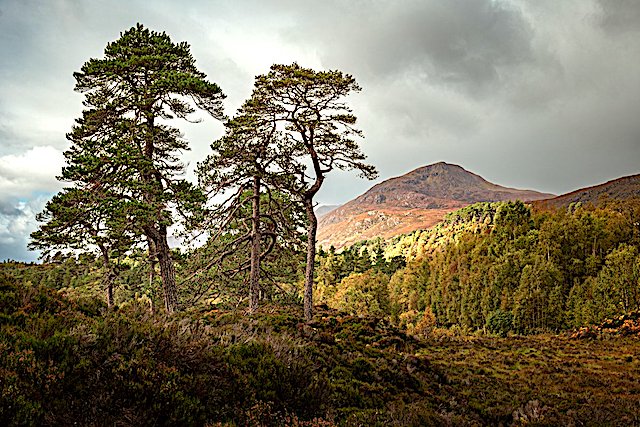
Meanwhile Europeans are struggling with triple digit [Fahrenheit]temperatures in a summer where many have agreed to conserve/enhance natural wildlife in farmland & natural parks-pix top middle: wilderness Glenfeshie rewilding preserve & lower l. Aberdeenshire private Scots pine replanting, w/protected 1826 Douglas Fir, upper rt brought as seedling from Pacific NW by David Douglas, given as gift to Moderator Church of Scotland whose residence it was at that time. Other pix top include protected species-wren; honey bee, w/ local shared beehive within same garden; Kirkton of Bourtie, ABD. Harvest, usually the domain of combine harvesters end August/September top lower rt, in full swing before end July 2023.
Irish god of Light, Lugh—from whom derives August fire festival of Lammas [Lughnasadh] is celebrated still, albeit camouflaged as Nevada desert’s Burning Man; but in ancient times the last handful of grain/sheaf of barley, oats, wheat was woven into a ‘corn dolly’ and hung on doorways & celebrated with bonfires after a field was cleared. The Lammas fire festival is still held by some communities in Scotland’s Northern Isles: it lasts for six weeks— from 3 weeks before>3 weeks after August 1st.
Lammas is happening NOW.
Unst in Shetland holds both the record for longest-lasting Lammas fire festival AND Hermaness, most northerly cherished headland of protected sea-birds, including puffin, greater & lesser kittywake, cormorant, black-backed gull, herring gull and guillemot.
The Gertrude Jekyll rose, top centre, bred by David Austin to commemorate the British horticultural genius & garden creator in her work with architect/life-long partner Edwin Lutyens. Together they designed English formal gardens, including Lindisfarne Castle, N.umberland, the Cenotaph,London.

Harvest this year progresses a month ahead of schedule in Scotland—c.f. winter solstice pic from 2002-20yr ago humour-farmer only just finished baling November, rolled them into position round RSC Kirkton of Bourtie ABD in lieu of missing megaliths -author photo aligned SSW to midwinter sunset viewed from Manse Glebe
Two Full Supermoons, August 1 & 30, 2023 Bright as Daylight
First supermoon of August—the full “Sturgeon” moon, according to Native American lore, is August 1st full moon, with its sister full Blue Moon (two occurring in one month) on August 30th, after the sun moves out of summery Leo into autumnal Virgo. A supermoon is one which nearly coincides with perigee—or, the closest the (full or new) Moon comes to the Earth along its elliptical orbit.
During Lionsgate-8/8 starting July 28 thru August 12, this year’s full Sturgeon Moon coincides w/ Delta Aquarid meteor shower which, because of the moon’s brilliance, may only be visible as sparkles in the sky, or completely outshone altogether.

Our Oversoul Shining thru 8/8 Lionsgate
Those who believe in the opportunity given by the Universal Consciousness to us hoomans in opening the Lionsgate on August 8th each year call themselves followers of Telosians—invisible beings who live in a subterranean cavern inside Mt. Shasta, accessible from a pool in central Mt. Shasta City-itself the source of the Sacramento River; and from snow-lined slopes of the great peak herself near Weed, CA.
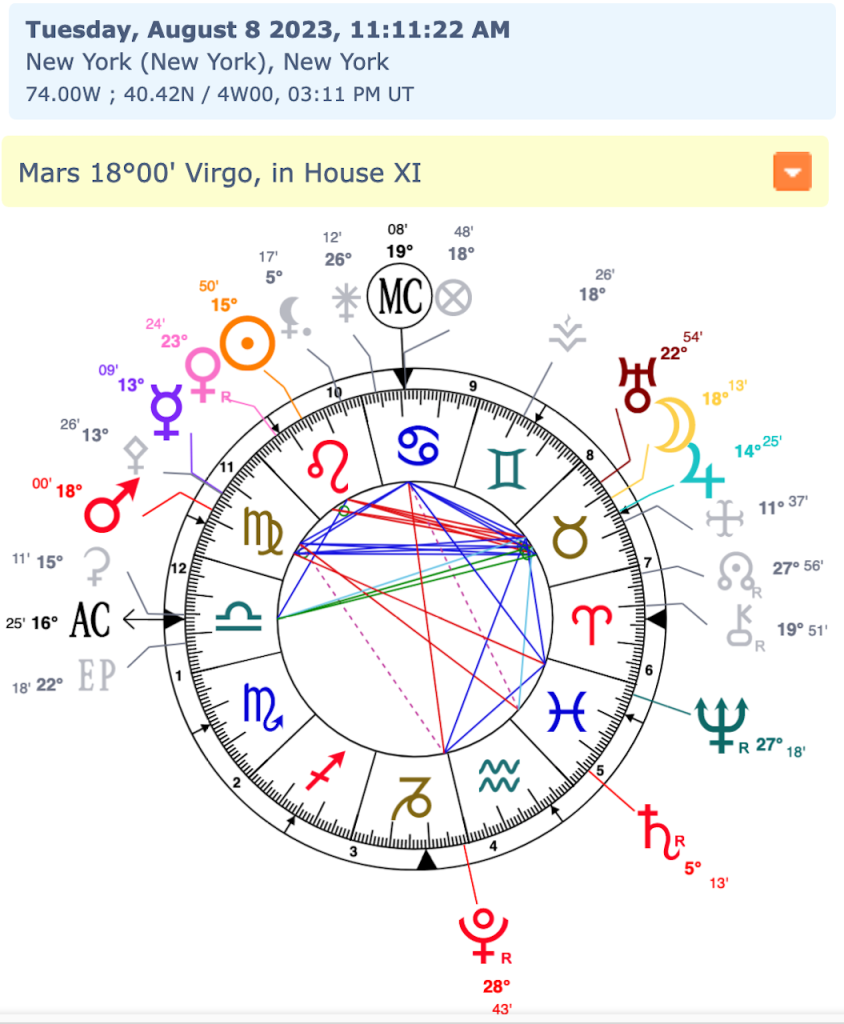
Lionsgate 2023 is open between July 28-August 12th, with its peak on 8/8/23. Astro chart 11:11a.m. EST/03:11p.m. UT 08:11a.m. PDT/05a.m. Hawai’i ST Hilo,HI
Astrotheme chart shows detailed focus at midHeaven/MC Cancer with potent cluster round Sun, Venus retrograde in Leo. Grand trine of planets Mercury/Mars in earth sign Virgo with Jupiter, Moon & Uranus in Taurus & Pluto R in Aquarius-sign of ‘Great Awareness’ aka ‘big picture’ ❤
Saturn Retrograde awash in watery Pisces can inflict no harm in his solitude rocked by fellow Uranus R in its topsy turvy orbit.
This year Hawai’i & mid-Pacific islands e.g. Midway, Guam, French Frigate Shoals (pix below top & bottom rt) receive 8/8 energy first, with California, Oregon, WA, Alaska & Mexico next in line.
Significantly, Lionsgate opens end July, strengthening until its climax 8/8 & then diminishes until it closes on “Glorious Twelfth”.
Oldies from Scotland [‘Olde Countrie] may recall this was a day when lairds & their visitors to estates from Aberdeenshire thru Banffshire, to Moray & Inverness [also Argyll, Perthshire & thru Devil’s Elbow by way of Braemar & Cabrach in Highlands, to Caithness & Sutherland] took elaborate picnics-carried by servants-to remote shooting grouse moors; men of the party supplied with guns/women champagne while they wantonly massacred every flying creature in sight—from black grouse, to ptarmigan, even accidental crows, buzzards, eagle & blackbirds if they got in their line of fire. Subsequently, rich purple heather moorland [food source for grouse] was burned to ‘encourage’ a new crop for next year’s sport.



Polynesians & Hawai’ians Celebrate British Return of Sovereignty- mid-Pacific ‘Independence Day’ Festival La Ho’iho’i Ea
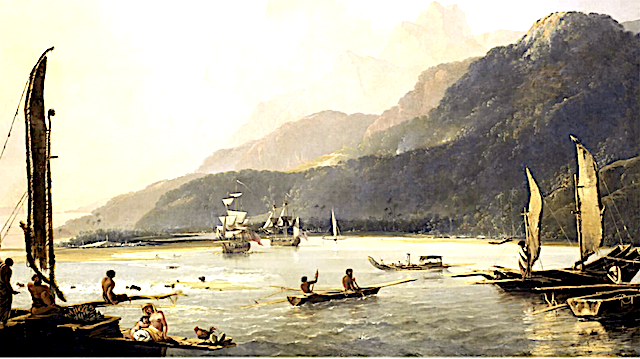
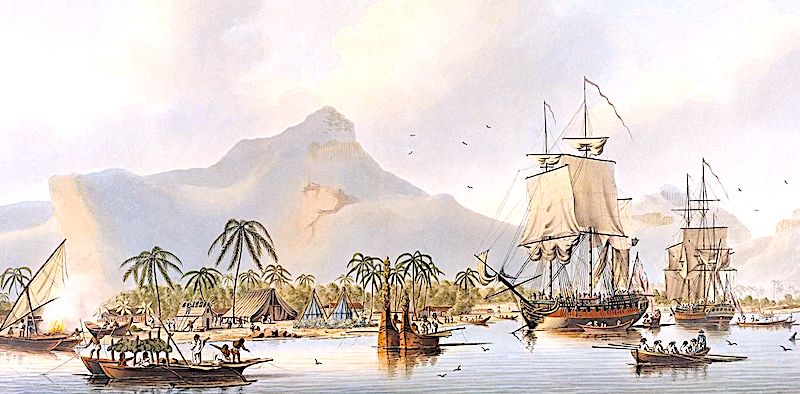
Seafaring Polynesians discovered Hawaii as early as A.D.200 by paddling double-hulled canoes across thousands of miles of the Pacific Ocean, pic below rt. When in 1778 British explorer James Cook became the first European to arrive, several chiefs ruled over different parts of the archipelago. Yet by 1810, King Kamehameha I had united Hawai’i’s eight-island chain as one kingdom.
During first half 19thC, British missionaries arrived & began to convert a population seen by them as heathen savages. American and European businessmen, hearing that the islands’ climate & landscape were perfect for growing sugar cane, began buying up plots of land.
La Ho’iho’ai Ea‘s origin links to King Kama-hameha III who on July 31,1843 succeeded in reclaiming his Hawai’ian kingdom after the British had occupied the Hawai’ian Islands for a period of five months. King Kamahameha III achievement is celebrated as Hawai’ian ‘Independence’ Day ❤
Queen Lili’uokalani took the throne in 1891 & attempted to restore rights of her people solely without interference from U.S. business interests, which her brother had allowed under duress, along with a free trade agreement that greatly favoured the islands’ Brit/U.S.sugar planters who by then controlled four-fifths of all farmable land.
In 1894 U.S. Minister to Hawai’i, John Stevens headed a conspiracy to overthrow her, ordered a nearby naval vessel to land troops ostensibly to protect U.S. residents, but surrounded the palace & told U.S.
“The Hawaiian pear is now fully ripe and this is the golden hour for the United States to pluck it”
John L. Stevens 1893 leading white militia Honolulu Rifles to depose Queen Lili’uokalani
The Queen agreed to step down so long as the U.S. recognized her sovereignty under law. Instead, President Grover Cleveland opposed the coup after learning she had been overthrown, and as most Hawai’ians opposed the coup, Cleveland’s administration urged for restoration of the monarchy. Instead the provisional government dug in its heels, establishing a Republic of Hawaii in July 1894.
The British did not go along with U.S. annexation, but the Queen agreed to abdicate in 1895.
When the Spanish-American War broke out in 1898, the islands became strategically important for U.S. troops fighting in the Philippines. Annexation of the islands happened August that year. Statehood was the next step.
There are 4,000 Polynesian residents currently in Hawai’i & both nationals celebrate La Ho’iho’ai Ea together.
Hawai’ians’ Abandon Ohana/Home for Las Vegas NV ‘Ninth Island’
Thus it is no giant leap for [Polynesian/Hawai’ian] Mankind that between 2011 & 2021, the mid-Pacific population of Clark County, NV grew by 40% to 22,000 people.
Since Covid passed, both Spring & Fall Pure Aloha Festivals have resumed at the Craig Ranch in N.Las Vegas, with authentic Hawaii’an music & dance, ukulele ‘slack key’ [open tuning in D], hula contests & more.
2023’s 17th Annual Pure Aloha Fall Festival will happen September 29th-October 2nd

Many native Hawai’ians-who grew up in the islands in simple outdoor-lifestyle homes akin to shacks at the bottom of grandpa’s garden on Oahu-have returned to their ancestral homes to visit, but have found economics of their Las Vegas life more achievable. Many now have bought homes, where ownership would have been out of reach in native Oahu or Maui, Hawai’i.
While Hawai’i governor Josh Green works hard to encourage local landowners, farming, & homegrown fruit/vegetable homesteading, Hawai’i is still considered the U.S.’s most expensive state to live in, as economics dictate importation of common household items-—from toilet rolls to automobiles—a luxury.
Dragons & Monsters—Hiding out for Centuries Waiting…Waiting…
A little light fantasy before we creative writers, Insecure scribblers, penwielders, pencil scratchers head back down our personal [rabbit hole] subterranean hideout for another session with our Muse.


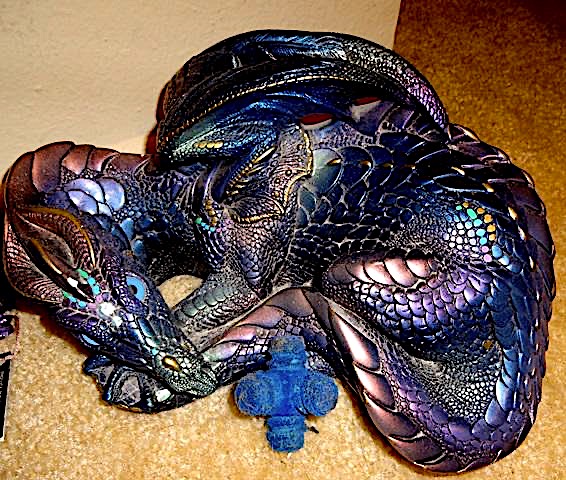
Reflections of the gleaming sacred monstah icon above midpage,top l.& here, bottom rt. kept by anonymous warlock spellcaster in undisclosed [secret] location, or exposed for all to see on an historic dragon-shaped headland on 21stC Moray Firth at entrance to famed Loch Ness, above middle l., the dragon is a potent & intriguing symbol we are all drawn to.
Dutchsinse—see his Youtube channel—is an amateur volcanologist, with years of experience finding surprise geological events (& now surprise geographical ones) where the professionals forgot to look. In his latest discovery, he focuses on position of 18thC military Fort George sticking out like a #dragon’s head at the point where Loch Ness spills into the Moray Firth. On the ground it’s famed for its Garrison kirk & its founder King George IV [“fat Geordie”] who is traditionally credited with being wheeled to hunting grounds in Scotland [too hard for him to hike] & killing the nation’s last wolf.
Lying a stone’s throw across the Moray Firth at the mouth of Loch Ness-N of Inverness & the spit stretching out from Roseisle on the Black Isle across the water, the stark outline of a dragon/monster stands for all to see. Only we didn’t-until young Dutchsinse, above pic middle l. pointed it out. He elaborates how close to being the real Loch Ness Monster it is—with examples!
From my perspective, as a Pictish fanatic & believer in genealogy of the Pictish Chronicles & their Anglo-Saxon copies, it might well be the site of Pictish King Brideii whom Saint Columba [521-597] visited to try to convert to Iona version of Christianity. But the king’s chief Druid, Broichan dissuaded the king from listening and chastised Columba because in his exalted position, he should have had the [heavenly] power ‘to raise & still storms’. Columba was sent on his way without achieving his goal.
But there’s another hint for dragon-monster fans.

No modern historian has ever been able to identify Pictish king Brideii’s fortress. Urquhart Castle mound, on the W shore of Loch Ness is suggested, because of its extreme antiquity and proximity to [the monster &] Inverness; that’s in the Chronicles.
Nobody so far had proposed Fort George.
In Garrison kirk where military battalions guarding an 18thC fort gathered to worship, a miraculous stained glass window shows St.George piercing his angelic staff into his defeated opponent-a [dead] dragon. St.G is England’s patron & any six-year old can recite he killed a dragon. But how cosmic to find them here, hidden within a private chapel on a dragon-faced promontory on the edge of Monster territory.
Wildlife…and Wolves
In 1999, Dr Martyn Gorman, senior zoology lecturer at University of Aberdeen & vice chair of Mammal Society called for reintroduction of wolves to the Highlands and northern English countryside because at that time 350,000 young trees in commercial forests were being damaged by red deer.
Recently philanthropist & rewilding laird Paul Lister who bought Alladale Caledonian Forest in Sutherland North Scotland in 2003, has plans to reintroduce large carnivores into his wildlife reserve, such as wolves, lynx, and bear. He says farming interests [sheep farmers not keen] are not affected, as there is little agricultural activity in this far Northern county; and he affirms his type of reintroductions would be beneficial both to Scots tourism & economy-as it has been in the U.S.
Yellowstone Park recently reintroduced wolf into its forests.
Elk, CA is famous for its free-roaming Elk, above. One guy breathed heavily into my nostrils when I opened the car window ❤
Before we Submerge2 WritingCave, Moon Message from Dragons
Reminder: last night’s full Leo/Aquarius Moon is still 99% full tonight, only beginning to wane over the next few nights. High tides feature more than ever because Earth’s companion is so close & aligned to stir strong ocean movement. Surfers-enjoy! Beachgoers don’t bathe without proper equipment. Nature always wins.
Post scriptum
A Hawai’ian bumblebee stumbled into my medical bedchamber—its dimensions unbelievable: minimum cupcake size. But then it demonstrated that Mother Nature pairs intelligence with size. It flew [heavily-it was a hot day] towards the light of my [screen] window, put on the brakes as it got near enough to see no bee exit. Then, curving in best NASCAR style, it circled, found a gap in my cubicle curtains big enuff to buzz thru; kept on humming, aimed for the corridor with its outside glass sliding door &—clearly a highly bright boy—hovered. Could almost hear him thinking: “hoomans come in & out here”.
Sure enough, within two seconds, a nurse appeared from another ward with a bag of rubbish for the outdoor bin, punched her code into the door & yanked it sideways. Monsieur cupcake bee took off like a jet. Did I imagine it or did he turn & give me a black & gold blink from his huge eyes? Bless his little pollen socks ❤
p.p.s.
With gratitude to my much-appreciated followers<3
Bees & wolves & monstah thoughts preyed on my efforts earlier [last week’s draft prep4 blog] & my Firefox itchy finger pressed the publish button by mistake. Some of you will have read an opening title with several enormous unedited images before I managed to delete & do this one instead. Thanks for your attention-and patience. Hope this one makes up for it. Happy Lammas summer. Stay cool. ©2023MarianC.Youngblood
.
Fireworks in U.S.,Tropical Cyclones, as Brits swim into their Summer Hols thru Torrential Rain
FIREWORKS in U.S., TROPICAL CYCLONES, as BRITS SWIM into THEIR SUMMER HOLS thru TORRENTIAL RAIN
MIDSUMMER MADNESS on ALL CONTINENTS JUST 2 MAKE US CAVERN-DWELLING WRITERS COME UP for AIR & CHECK if REAL WORLD FIRST WEDNESDAY still EXISTS
Yellowstone Followers Disappointed by Kevin Costner Departure
July 4th weekend usually brings must-see shows to U.S. Television audiences; not least Peacock TV’s YELLOWSTONE 1883 prequel series with leading man Kevin Kostner enrapturing his fans. But following the lead star’s announcement last week that July 5th will be his last season-he won’t return November [13,20,27th]-viewers will be dying to get in4 his final performance—streaming all weekend+week 7/5-8.

In the REAL WORLD, outside the Dutton Ranch Paramount TV empire, Yellowstone National Monument is a fascinating Park to visit.
The hotsprings attract animals, insects, birds & other creatures into a unique geological setting.
Its multifaceted chert/gneiss-quartz-feldspar & biotite (black mica) mix reveals ancient creatures embedded within metals like gold & silver in stone polished to a high gloss by hot water over multiple centuries.
History Repeats Itself in Scotland’s Yellowstone Ancient Hotspring
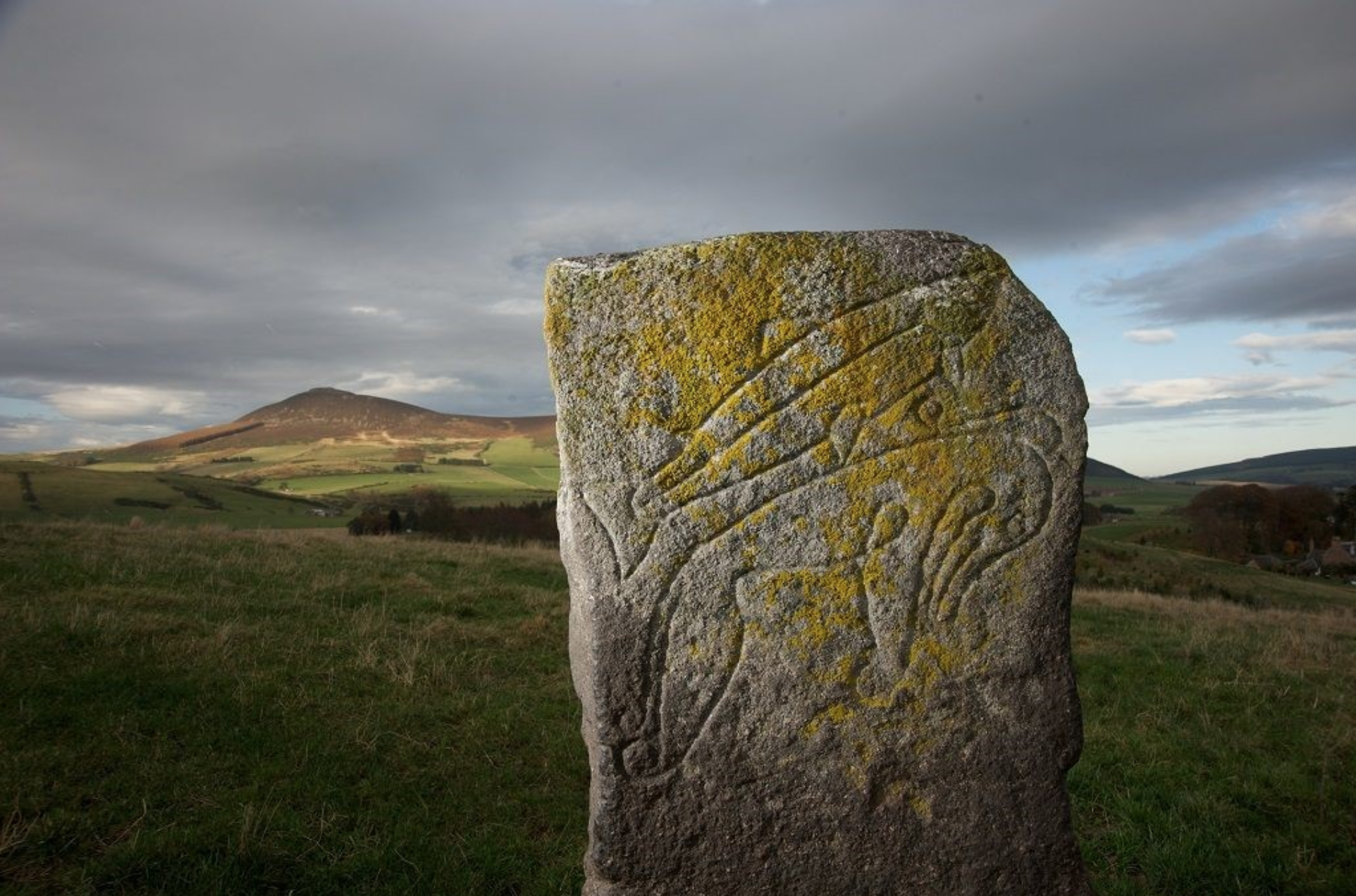


A whole continent & another ocean farther East, within Scotland’s ancient Pictish kingdoms [Fib=Fife; Forgue; Fortriu=Strathearn & Moray=Lat.Moravia] & Regalities of Fidach & Cé [Aberdeenshire, with its famed mountains Bin na Cé/Bennachie and Tap o’Noth, [above pix top l.], lies the hidden village of Rhynie—original home to Pictish Class I carved stone ‘Rhynie Man’ [above bottom l.], presently housed in Aberdeen, but residents are working to have him returned to his companions in Market Square.
Rhynie has many secrets apart from its Pictish carvings, its proximity to ancient Wheedlemont RSC [recumbent stone circle, date approx 5000B.C., upslope SW] & its other claim to fame, the massive Pictish stronghold atop Tap o’Noth, second in size only to Pictish Burghead on the Moray coast 20 mi N. It lies in Dufftown heartland, home of Glenlivet, Glenfiddich & other Distilleries and Huntly, ABD 10mi E., roughly equidistant from Banffshire coast & Aberdeen. Top pic also shows famous Barflat Pictish Class I stone of Salmon & Dolphin [sometimes called Pictish ‘Beast’] on site of a thriving Pictish settlement, in part excavated recently by University of Aberdeen: finding many more treasures from the same era—A.D. 4th-9thC village, itself Rhynie’s precursor!
Barflat is currently farmed by a private owner, but he is a Rhynie fella & shares in their fellowship & supports the village in its having their “Rhynie Man” return “home”.
What the Romans wanted was Pictish gold.
They knew-as their legions stormed Pictish bastions from Normandykes in the Mearns, NE thru Aberdeen, to Fyvie & Huntly,then N wherever legions followed their military god Mithras in his bid to rout out Pictish bull symbols, that there was a secret cache at Rhynie in an ancient pre-Cambrian deposit.
Bathed by subterranean hotsprings, Rhynie chert sparkled with silver & gold, hidden by Picts from Roman eyes in a domestic camp

Rhynie on Important Royal Route S to Forteviot & Strathearn
Of 32 sacred Pictish Class-I carved bull stones which ringed the great Pictish fortalice of Burghead— [pic above bottom rt.] six have been found. They are thought to have guarded the huge fortress-largest in Scotland-until thrown into the harbour. One is kept in British Museum; another in its hometown, near sacred Doorie fire altar [pic above, lower centre], a burning tar barrel used every January for Burning the Clavie-only Northern town remaining to celebrate this fire festival, according to ancient tradition. Sacred bull was anathema to Mithras. whose beloved sacred beast was the Boar!
Second in size to Burghead, Pictish fort on Tap o’Noth with Barflat village below was an important A.D. 7th/8thC connection to Aberdeen [harbor traffic] & royal Fyvie [Nechtan Derilea/Darley] en route S to central Royal Fortriu/Forteviot=Strathearn.
Rhynie villagers had no intention of allowing Roman eyes to glimpse their deep hoard. It was guarded well. Legionary atrocities performed on the Druids’ Holy Road 1stC B.C-A.D.1stC between East Anglian Norfolk Iceni territory NE to Pictish neighbors in Druidic Ynys Mons=Anglesey were legend – after all, Queen Boudicca & her family were Celtic neighbours.
So, learning from her example, Rhynie kept their secret close to their chests.
Rhynie Pictish village covered most of Barflat & its dominions stretched inland up to Wheedlemont RSC but the villagers were wise enough to hide their most treasured secret from the invaders. Rhynie chert deposit remains today a site of Special Scientific Interest [SSI] guarded by deep layers of turf & is not open for public display.
Yellowstone-Rhynie Connection aka PreCambrian Hotspring Earth


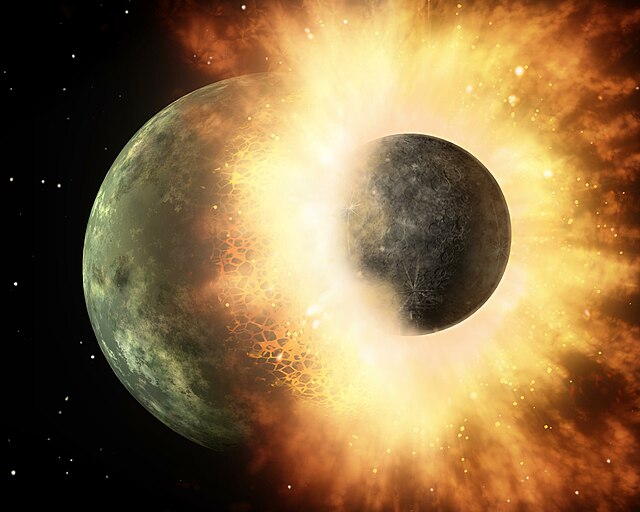

It may be difficult to imagine hotsprings in the middle of Rhynie, Aberdeenshire, when North winds blow or winter hailstones spatter the Village Green Market Square. But the secret stash of Rhynie gold tells a different tale: In preCambrian times—before Greenland & Eurasian continent Gondwanaland separated, huge volcanic outbursts thundered through the region, [pic top rt.]
No life forms existed in the earliest aeon/eon of preCambrian Earth—called Hadean, 4,500-4000million or 4.5billion years ago. It was a time of the ‘Big Splash’ or Theia Impact when the Moon was formed as a projectile from a collision with a giant Mars-size planet 4.5billion years ago.
The second aeon of the preCambrian—following the Hadean—was the Archaean aeon 3.5-3.7billion years ago, when crustal deposits began forming after volcanic & sedimentary rocks were impacted by increased oxygen in the atmosphere, creating iron-rich layers alternating with metamorphic greenstone & volcanic deposits. [pic above bottom l. Theia impact or “Big Splash” creating the Moon.
This is the famous aeon in which Rhynie chert—and Yellowstone “Y-sedimentary” boulders belong.
Third & last of three pre-Cambrian aeons is the oxygen-rich Proterozoic when the Columbian super- continent Nuna, formed 2.1–1.8 billion years ago and broke up about 1.3–1.2 billion years ago. Oxygen levels increased as creatures in ocean below began to reproduce, feeding into the atmosphere, with resulting oxidation of iron particles to form iron-rich rocks in boulder strata.
It was a time when Earth’s first land-based lifeforms—from bacteria to insects, to plants & creatures began 2appear [above far rt pix ocean plant life feed oxygen-nitrogen-CO2 atmosphere; 1st animals]
That’s when our beloved T-Rex, [above top l.], Tyrannosaurus Rex came into his own.
And the rest is history…<3
Midsummer Heralds Music Festivals in Both Global Hemispheres
With sounds of the British classic 5-day Glastonbury Midsummer Music Festival during solstice week still ringing in our ears, we leave sacred Glastonbury Tor in the Vale of Avalon with its mythic history of Arthur & Guinevere & Knights of the Round Table to another time & to a host of cleaners [& to grateful police officers who didn’t have2 respond to a single violent episode within the 210,000 crowd]—yeah thankU Brit public for showing the world how happy can be peaceful, too!

Glastonbury five-day music festival over summer solstice weekend last month—a precursor to U.S.July 4th fireworks-was a prime example of Brit understatement—or just a bunch of happy people partying together & enjoy a week of music in a sacred setting [Vale of Avalon, Somerset].
1000-acre site[size of 500football pitches] hadn’t asingle violent episode-happy police
As we bounce forward, as is our writerly wont from deep within our subterranean Creative Cave aka H.G.Wells’ 1895 Time Machine, [lower rt], July 2023 has resounding time-travel music festivals & performances on offer from many renowned ‘Sixties musicians us Oldies remember fondly.
From Creedence Clearwater Revival to The Band [John (Cameron)Fogerty b.May 28, 1945, below middle l. comes top of the list.
Now performing solo & by invitation since the breakup of CCR 1972, he heads the July line-up at Table Mtn Resort, Friant, CA. Inducted into 1993 Rock n Roll Hall of Fame, he’s produced nine Top-10 singles & eight gold albums. He now performs solo and by invitation.

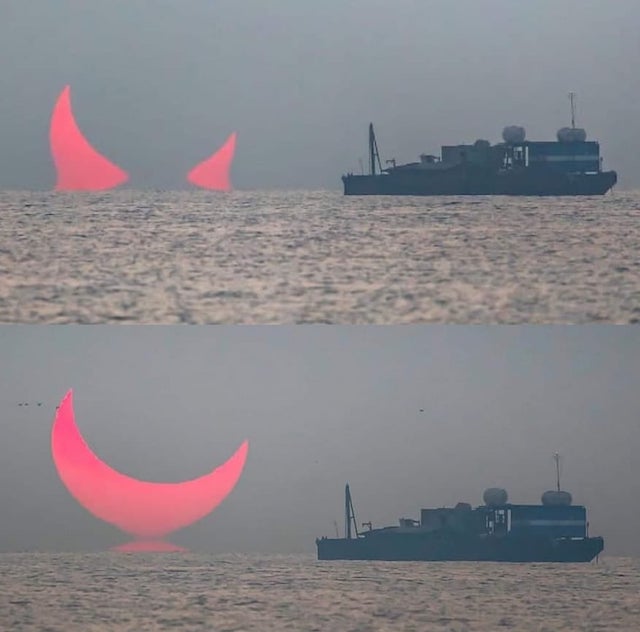


Singer/songwriter Fogerty above mid-l. play July 21, 2023 at the Table Mountain Casino, Friant, CA, nr Fresno. Think ‘Bad Moon Rising’, [photo top rt lunar eclipse from UAE/Persian Gulf May 6, 2023] ‘Proud Mary’, ‘Up on Cripple Creek’; the sounds in your head are still coming out of his mouth & his guitar ❤ !
…And a little Napa Vino to go…
Other name musicians scheduled this month include topliners & resident jazz musicians Robert Glasper with Dave Chappelle at the Napa Valley Blue Note Jazz Festival at the Silverado Resort from 10a.m. Fri July28-Sun July30 3 pm. Located within wine country, resort has de luxe accommodation, serves beer & spirits in addition to wine-tasting from on-site vineyards. Blues rendering described as extraordinary.
Rohnert Park in Sonoma hosts many music festivals all summer long from classical, thru art&craft & dance. It is therefore great to see Booker T. Jones, Chris Smither, Steve Poltz performing live there at the Green Music Center August 6th, 2023 7p.m.-10p.m. on Rohnert Park’s Mountain Stage.
In Other Muse/News…
Time & music wait for no man, woman or child, we are told; so an in-depth on Hawai’i’s “Ninth Island”— an unprecedented 370,000 Hawai’ians live in Las Vegas, contra 310,000 residents in Honolulu-will have to wait for another blog. Clark County Hawai’ians celebrated their Holo Holo Music Festival for the first time in the Downtown Las Vegas Event Center in spring & plan for an autumn concert there. Holo Holo features Hawai’ian music stars like Kapena-a native band playing traditional ukelele music & ‘slack key’ [open tuning] guitar. We’ll catch that one later this year.
Back2 the drawing board—or, rather, heads down the volcanic sinkhole into our writing cave for us scribbling-obsessives, devoted followers of our Muse; with an occasional glance upwards into that world of make-believe they call the ‘present day’.
And If they were to ask me which I prefer, I’d have to stick by my Oldie-but-goodie roots & say H.G.Wells, 1895 ‘Time Machine’ & ‘Star Trek IV: the Voyage Home’ have the best take on this Muse-related question.
LLAP Live long and prosper, as Mr Spock would say.

So next time you see something strange skim past the moon, or weird alien footprints in sand under the garden wheelbarrow, remember to thank the Universe for its continuing support—and surprises—and let’s keep on keeping on with this writing gift, cos it comes from that same blessed heart ❤ space. ©2023MarianCameronYoungblood
Atlantic Hurricane Season Echoes Pacific Cyclone in GUAM/MARIANA Is. Heralding Earth’s Hottest Summer Yet

Subscribe to continue reading
Subscribe to get access to the rest of this post and other subscriber-only content.
 The Stellar Perspective
- Oriental Year of Dragon 2024 & Lunar New Year Zodiac
- Early Saints & Religious Houses in Scotland with Placenames derived from Pictish/Brittonic/Celtic
- U.S. Memorial Day Means Different Strokes for Different Folks
- Hokole’a Hawai’ian-built Canoe to Circumnavigate Pacific— 47,000 Miles over Next Four Years
- Time to Tempt Humans to Act like Telosians—Delving Deep Within to Discover our Origins As Star-People
- Canticle for a lost Nation—Pictish Roots Surface in Stone, Royal Forests & Names
- The Janus Effect—Riding into the New on an Old Horse
- Boudicca: Great Queen of the Iceni
- 2020 Backward Take on 2012: Stargate Portal to Final Quarter
- Volcanic Surprise: Take your Toys and Go Home
Solar & Geomagnetic field indicator (NOAA)
From n3kl.orgSolar X-rays:
Geomagnetic Field:

- Derilea’s Dream: Pictish essentials
- The Glory that Was Sail
- Guest Blog from the Granite Past to a Future Historian
- Boudicca: Great Queen of the Iceni
- The Sueno’s Stone Cover-up
- Maiden Stone of Bennachie
- Bibliography: The Church in Pictland
- Warlord centres of Pictland:glimpses into a lost history
- Gaels progress through Pictland via the Church
- Hello world!
Shakeout prepared
Picosecond Pulse Ripples Gold on Glass
Vibrational sound in picoseconds
Recent Comments
Marian’s SHASTA:Critical Mass

Earth speaks wolves listen—a New Age tale

bumpy ride ahead

‘Phantom’s Child’

Nano 2011 win

SHASTA: backstory
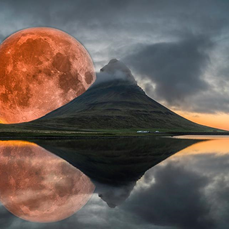
Circlemakers

Enceladus 2017
Enchantment

ShakeOut preparedness

Bourtie Kirk: 800 Years

Geometry code

- Devorguilablog: view from Pictish Citadel
- Pictish Power Centre discovered at Rhynie: stronghold in Aberdeenshire heartland
- Black Glen Cailleach/Bodach Stones threatened
- PICTISH KINGLISTS and the PICTISH CHRONICLE
- Nechtan’s Pictish Nation: 8thC Strongholds of the new religion
- Pictish inheritance in an ancient land
- Canticle for a lost Nation
- Canticle III: Nechtan of Derley
- Devorguila’s lineage: where did it go?
cosmic consciousness



 Youngblood Blog